
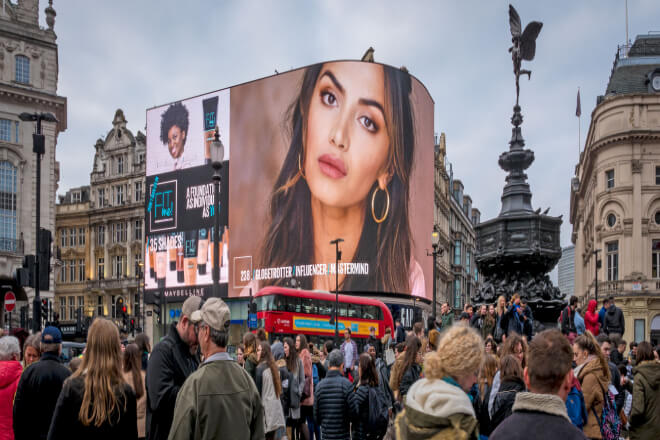
Have you ever wondered why more and more brands are deploying large screens in cities, yet some regret their expensive investments?
Are LED显示屏 really as magical as people imagine? Do they produce immediate results after a single deployment, or are there various pitfalls hidden behind this dazzling screen?
If you’re considering investing in an LED screen or want to understand whether it’s worth the investment, this article may help you clarify your thoughts, avoid pitfalls, and accurately calculate returns before making a decision.
Against the backdrop of overall pressure on the advertising industry, brands’ media choices are undergoing significant changes.
The cost-effectiveness advantage of traditional advertising channels is constantly weakening, and the uncertainty between investment and return is increasing.
Whether it’s online news feeds and search ads, or offline television and print media, all face rising costs and declining attention.
Advertising is becoming increasingly “expensive,” yet increasingly difficult to be truly seen. This reality is forcing brands to seek more certain exposure mediums.
At the same time, outdoor advertising is accelerating its digital transformation. The upgrading of urban commercial complexes, transportation hubs, and core business districts has provided fertile ground for the growth of large-sized LED displays.
Compared to traditional light boxes and inkjet printing, LED displays offer dynamic presentation, multi-content rotation.
And remote control capabilities, transforming outdoor advertising from a static display into a continuously operable and iterative digital medium. This shift is reshaping brands’ perception of the value of outdoor advertising.
From a communication effectiveness perspective, LED显示屏 possess inherent advantages in “controllability” and “exposure.” Their locations are typically situated in areas with high pedestrian traffic, offering relatively fixed viewing scenarios.
Unlike online advertising, audiences cannot easily skip or block displays, giving brands greater control over display time, frequency, and content.
Furthermore, the strong visual impact of large size, high 亮度, and dynamic images ensures that LED displays maintain a significant presence in complex urban information environments, enabling the rapid delivery of brand information.
Many people habitually view advertising as a one-time expense, but LED displays offer a completely different perspective—viewing investment value with an “asset mindset.”
Traditional media, whether television, print, or online advertising, are essentially one-off expenses: exposure is purchased, and then it’s over; the effects cannot be accumulated, and adjustments are difficult to make.
LED displays are different. Although the initial construction or leasing costs are higher, it is a long-term media asset.
Screens can be used multiple times, advertising content can be updated at any time, and displays can even be flexibly tailored to different time periods, target audiences, or scenarios.
In other words, the investment in a screen is not a one-time expenditure, but a resource that can be operated long-term and continuously generate value.
From a cost structure perspective, traditional advertising typically follows a “pay-as-you-go” model, requiring reinvestment for each campaign.
LED displays, on the other hand, are more like reusable assets, with more controllable unit exposure costs in the long run.
Moreover, screens possess potential monetization capabilities: in addition to their own brand advertising, they can host other advertising campaigns, interactive activities, or derivative content, generating additional revenue.
In other words, LED displays shift a brand’s advertising strategy from “buying exposure” to “investing in asset management.”
It’s not just a display tool, but a long-term media resource that can be continuously optimized and its value amplified—this is the biggest fundamental difference between it and traditional advertising formats.

1) More Than Just 亮度 and Clarity
Many people, when looking at an LED screen, focus first on whether it’s bright enough and clear enough, as if the image quality is the entirety of its value.
However, the screen’s clarity is merely a basic requirement. What truly determines the value of an investment is whether the advertisement can be seen, remembered, and generate a real impact.
In other words, brightness and clarity are just the minimum requirements; the underlying communicative power is key.
2) Strong Exposure Advantage
LED screens are mostly located in densely populated commercial areas, transportation hubs, or city landmarks. Their fixed locations and high visibility ensure that information is seen.
Compared to static posters or online advertisements that are easily skipped, they can capture a large amount of attention in a short time.
The combination of dynamic images and vibrant colors makes the screen stand out in the complex urban information environment, forming a natural “attention magnet.”
3) Enhancing Brand Memory
Besides being seen, being remembered is also crucial. Dynamic content, creative animations, and video effects make information more vivid and easier to remember.
Studies show that dynamic advertising is more effective than static visuals in improving brand recognition and memorability.
LED displays can convey complex information in a short time, allowing viewers to form a clear memory rather than just glancing at the screen.
4) Flexible Operation and Placement Strategies
The advantage of LED screens also lies in their flexibility. Advertising time slots can be adjusted according to peak traffic periods, holidays, or specific marketing campaigns; content can also be updated or iterated at any time.
This means brands can run multiple rounds of advertising on the same screen, with more precise content and more flexible strategies.
Compared to traditional one-off advertising, LED screens are more like a media asset that can be continuously operated and optimized.
5) Enhancement of Brand Image and Offline Scenarios
LED screens are not only information dissemination tools but also enhance the overall brand image.
The high-tech, modern visual effects make brands more present and influential in the city.
At the same time, it can enhance the offline experience, allowing consumers to feel the brand’s tone and value while encountering the advertisement. This synergistic effect is difficult for static advertising to achieve.
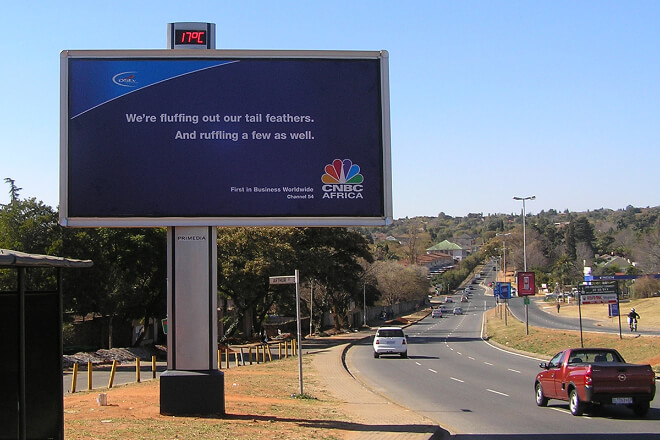
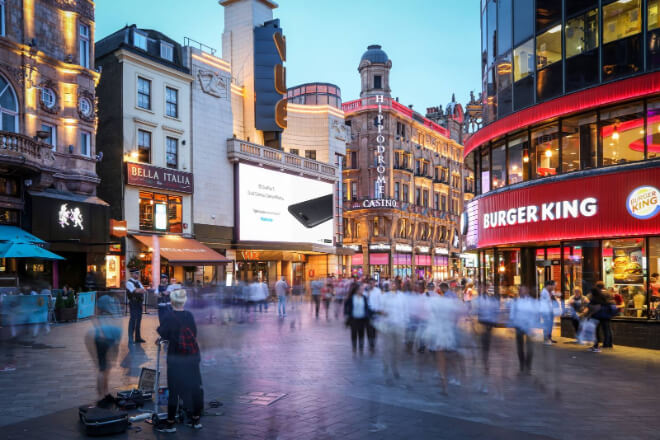
LED displays look cool and have a strong visual impact, but many companies find that the results are not as ideal as expected after investment, even leading to regret. Common problems in the industry mainly focus on the following aspects:
1) Insufficient Exposure Due to Incorrect Site Selection
No matter how large or bright the screen is, its advertising value will be greatly reduced if the location is inappropriate.
Some companies, in an effort to save costs, choose locations with low foot traffic or obstructed views, resulting in the screen being “buried” and barely seen by the target audience.
A thorough analysis of foot traffic and audience must be conducted before investment; choosing the right location is essential to realizing the true value of the screen.
2) Mismatch between screen specifications and the actual environment
这 亮度, size, and resolution of the screen must be matched to the actual environment.
For example, a high-brightness outdoor screen is suitable for a street with strong sunlight, while a small indoor screen needs a high 解决 to display complex animations or videos.
If the specifications are chosen incorrectly, even the most expensive and largest screen will not effectively attract an audience, wasting money.
3) Ignoring policy, approval, and compliance issues
LED screens involve multiple regulations, including urban advertising management, building fire safety, and safety standards.
Some companies do not fully understand the relevant policies before deployment, resulting in problems such as approval delays, rectification, or fines.
This not only affects the deployment but may also increase additional expenses. Understanding local policies and approval processes in advance is key to avoiding later troubles.
4) Buying equipment without operational thinking
LED screens are not just hardware equipment, but also a medium that requires continuous operation.
Many companies only buy screens without planning content updates, scheduling, and deployment strategies, resulting in the screen quickly becoming a “decoration” that fails to truly enhance brand value.
To make the investment effective, the operational model and content strategy must be considered simultaneously to ensure the screen plays a long-term role.
In summary, the risks of LED advertising screens lie not in the technology itself, but in four key areas: site selection, specifications, compliance, and operation.
Understanding these issues and making thorough plans before investing is crucial to turning LED displays into sustainable brand assets, rather than just a “purchased decoration.”
 English
  Español
  简体中文
简体中文  Français
  日本語
日本語  한국어
한국어  العربية