
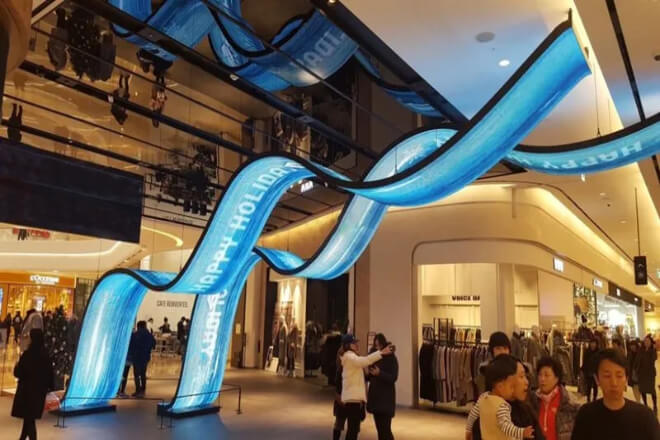
亮度 and performance are certainly important for LED显示屏; however, the electricity bill can be a wake-up call for many.
Especially for large-screen projects that operate long-term, energy consumption not only affects operating costs but also increasingly impacts a company’s sustainability goals.
Therefore, how to make LED displays “bright yet energy-efficient” is becoming an increasingly pressing issue.
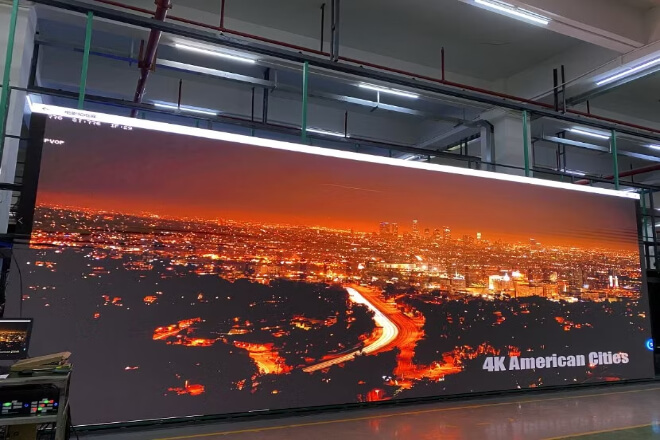
LED displays seem to “become more prominent the brighter they are,” but in many scenarios, maintaining high brightness continuously is actually “quietly wasting electricity.”
Intelligent brightness adjustment is the key to reducing this waste.
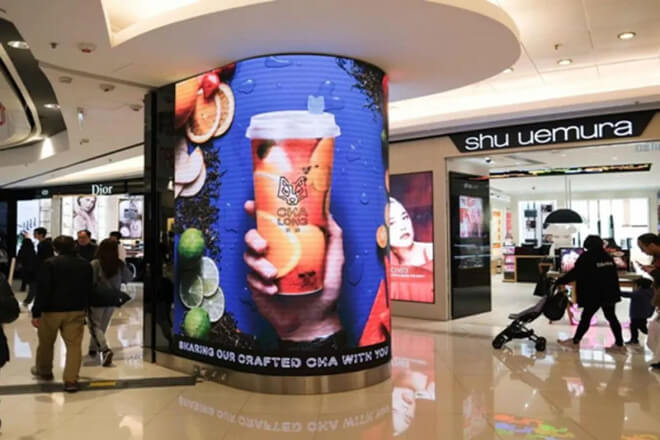
First, automatically adjust 亮度 based on ambient light. For example, a large screen at a 购物中心 entrance automatically increases brightness during strong sunlight to ensure clear visibility.
When indoor light dims, it automatically reduces brightness, keeping the image clear but not glaring. The screen no longer operates at full power all the time but outputs power only as needed.
Second, implement dynamic brightness changes between day and night. 例如, 户外广告屏 require higher brightness during the day to combat sunlight.
But maintaining the same brightness at night not only wastes electricity but may also affect the surrounding visual environment.
Intelligent systems can automatically switch modes, allowing brightness to “adjust with the time of day.”
This also avoids energy waste and equipment strain from prolonged high-brightness operation.
Many LED screens, if run at full brightness for extended periods, not only experience increased electricity bills but also accelerated wear and tear on the LED chips and power supply.
Intelligent dimming can reduce the overall load while maintaining display quality, allowing the equipment to “work more easily.”
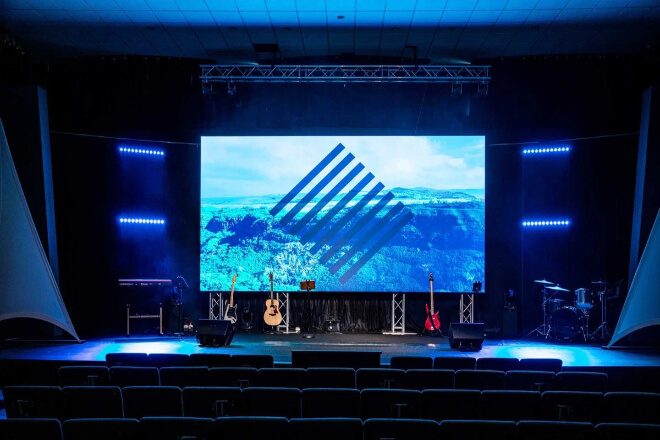
If intelligent dimming is the “brain that saves electricity,” then the hardware itself is the foundation that determines its inherent energy efficiency.
Choosing the right hardware solution solves half the energy consumption problem at its source.
First, use energy-saving LED chips and high-efficiency driver ICs. For example, the new generation of low-power LED chips can achieve the same display effect with less electricity.
Combined with a high-efficiency driver IC, current control can be more precise, reducing unnecessary energy loss. Simply put, it’s about “consuming less power for the same brightness.”
Secondly, optimize the power system’s conversion efficiency. The power module acts like an “energy translator,” converting input electricity into usable power for the screen.
If the conversion efficiency is low, some electricity will be wasted as heat. High-efficiency power supply design reduces this loss, allowing more electricity to be used for “lighting” rather than “generating heat.”
Simultaneously, reduce overall power consumption at the source. For example, a high-efficiency LED system, after optimization of the LED chips, drivers.
And power supply, not only operates more energy-efficiently but also reduces heat generation.
Indirectly reducing the heat dissipation burden and creating a positive cycle of “energy saving + cooling.”
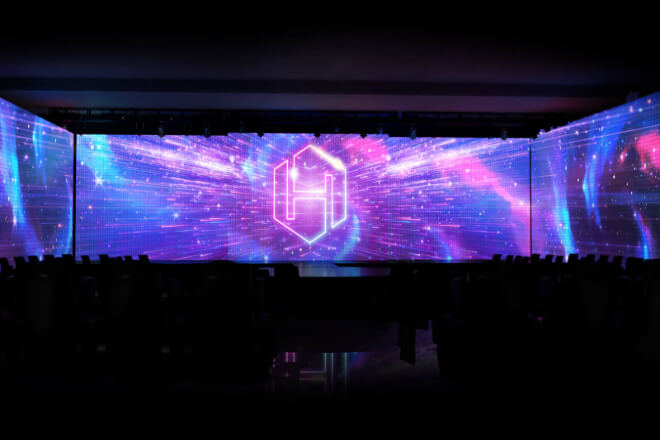
Many people believe that LED display power consumption mainly depends on the equipment, but how the content is played also directly affects energy consumption.
The same screen can have significantly different 能量消耗 depending on the content design.
First, reduce the proportion of large areas of bright white text. For example, a screen with a “pure white background + large text” may look clean, but it’s actually one of the more power-consuming screen types.
Conversely, adding appropriate color gradations or dark backgrounds not only improves visual comfort but also reduces energy consumption from overall luminous intensity.
Secondly, optimize the structure of dynamic video playback content.
For example, if some advertising visuals maintain high 亮度 and rapid transitions for extended periods, the screen will be under constant high load.
However, by reasonably controlling the animation rhythm and reducing unnecessary bright transitions, the screen can “work more easily,” resulting in more stable energy consumption.
Simultaneously, reduce unnecessary energy output. For instance, in some scenarios where only key areas need to display information, the entire screen is kept bright.
Or playing high-intensity dynamic content during unrelated periods, which creates an “overly aggressive visual experience.”
Content zoning and rhythm optimization allow energy to be used where it’s truly needed.
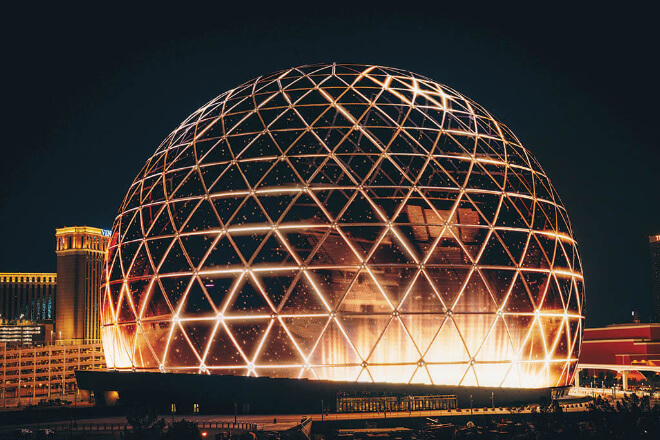
The most “hidden” 能量消耗 of LED displays is often not during peak hours, but when they are “on when no one is watching.”
Therefore, intelligent power-on/off management essentially helps the screen “go on and off on time.”
First, automatically shut down the device during non-business hours. For example, if a 购物中心 closes at 10 PM, the large screen could also “go off work and rest.”
However, if it’s forgotten to be turned off, it might remain lit all night in an empty mall—like an office with no one on duty but the lights still on.
Setting an automatic shutdown function directly avoids this wasteful “overtime without clocking in.”
Secondly, time-segmented operation management is more like a “work schedule.” For example, during the day when there are many people.
The screen displays advertisements and information normally; in the afternoon when there’s less traffic, the 亮度 can be reduced.
In the evening, if there are still a few people, it switches to basic information mode. Like the operating rhythm of a coffee shop—busy output during peak hours, lighter operation during off-peak hours.
At the same time, it avoids the equipment from running idle for extended periods, wasting power.
Some screens are kept on 24 hours a day to be “always online,” but in reality, they might not be used half the time.
This is like “all the 阶段 lights on but no audience yet entering”—it’s both energy-consuming and ineffective.
For LED displays to maintain consistent power efficiency and stability, intelligent control alone is insufficient; regular maintenance is also essential.
After all, good equipment condition leads to more efficient operation and lower power consumption.
First, cleaning dust effectively reduces heat dissipation pressure.
For example, excessive dust accumulation inside the screen or in the heat dissipation structure acts like an “impermeable coat.”
Preventing heat dissipation and forcing the system to increase power consumption to maintain stable operation.
Regular cleaning ensures smoother heat dissipation and more reasonable energy consumption.
Second, checking the 电源 and module operating status is crucial. Even slight aging or efficiency degradation in the power supply can lead to increased energy consumption during conversion.
Partial malfunctions in LED modules can also increase the overall operating burden. Regular checks proactively address minor issues, preventing them from escalating into high-energy-consumption operation.
This also prevents the accumulation of additional energy consumption due to aging. Over time, without maintenance, LED displays often experience a “the longer you use it.
The more electricity it consumes” phenomenon—亮度 decreases while power compensation is forced to increase, or some modules become less efficient but continue operating.
These unseen losses increase overall electricity costs in the long run.


 English
  Español
  简体中文
简体中文  Français
  日本語
日本語  한국어
한국어  العربية