
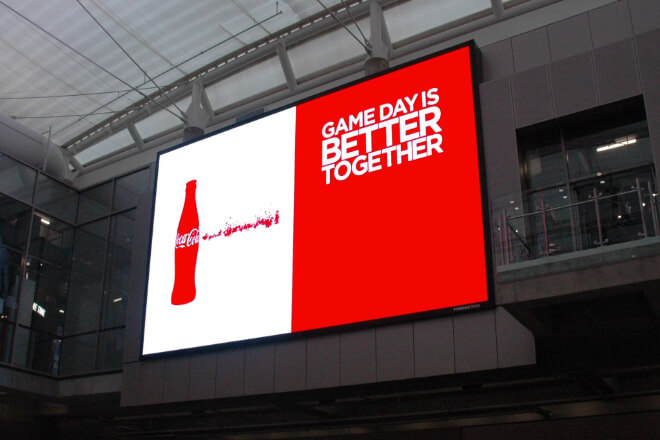
Have you ever noticed that when you walk into a 购物中心, exhibition hall, or large event venue, you’re always drawn to certain screens, unable to resist taking a second look?
They’re eye-catching, dynamic, and seem to be “telling a story.”
This is the magic of LED显示屏. So why is it that some screens instantly grab attention while others are ignored, even though they’re all screens?
And how can you use LED screens to create unique commercial display effects, ensuring your brand is not just seen, but remembered?
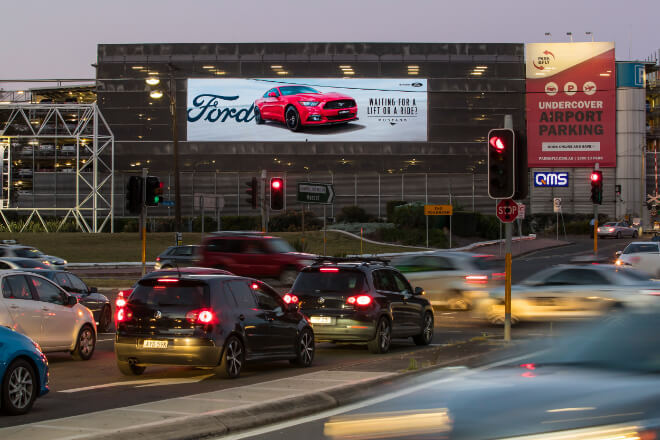
LED screens are like shoes; if they don’t fit, they’re uncomfortable and unfashionable.
Choosing the right screen type and installation solution ensures your brand display is both eye-catching and efficient.
1) Differences and Selection Criteria between Indoor and Outdoor Displays
The difference between indoor and 户外LED屏幕 is not just about size.
Indoor screens are typically like delicate small canvases, with moderate 亮度 and high pixel density, suitable for close-up viewing.
Outdoor screens, on the other hand, must withstand sunlight, rain, and high temperatures, so they need high brightness, robust encapsulation, and waterproof and dustproof features.
If you plan to use a screen to attract customers in 购物广场 或者 展览 halls, choose an indoor high-definition screen.
For advertising on streets, squares, or building exteriors, you must use an outdoor weather-resistant screen.
简而言之, 室内LED屏幕 win with their exquisite detail, while outdoor LED screens dominate with their robust durability.
2) Choosing the Right Display Screen for Your Application.
Different uses require LED screens of different sizes.
Curved LED Screens: Adapt to curved walls or pillars like magic, creating a more visually impactful display.
Transparent LED Screens: Can be installed on windows and glass walls, offering views during the day and remaining visually appealing both day and night.
Multi-Layer LED Screens: Create giant screens that can stunningly display data, videos, or artistic images.
The choice of screen type depends on space, creativity, and budget; the visual experience offered by different screens can vary significantly.
3) Installation Methods: The Advantages of Hanging, Ground Mounting, and Wall Embedding
The installation method of an LED screen is also crucial, affecting not only aesthetics but also the viewing experience.
- Hanging:
Suspended high in the air, offering a wide field of view, suitable for 展览 halls or stage backdrops, making the screen appear like a giant “aerial screen.”
- Ground Installation:
Like column or floor-standing screens, these are easy to move and use for temporary events, and are also suitable for exhibitions or event areas.
- Wall Recessed Installation:
These blend seamlessly with the wall, creating a clean and uncluttered look, suitable for hotel lobbies, office buildings, or high-end retail spaces, offering both stability and sophistication.
When choosing an installation method, consider the characteristics of the space and the purpose of the display; it should be both stable and aesthetically pleasing.
4) Matching Screen Size with 观看距离
A large screen doesn’t necessarily look good; comfortable viewing is key to success. The size of the LED screen and the viewing distance must be matched.
For close-up viewing, the screen resolution should be high to avoid pixelation; for long-distance viewing, the screen can be large and bright, but the 解决 doesn’t need to be too high.
Simply remember: “Detailed up close, stunning from afar.” With proper size and distance, viewers’ eyes won’t tire when watching videos or advertisements, and the brand image will appear more professional.
LED displays are not only tools for information transmission but also “voices” for brand personality.
Use them well, and your brand can become interesting, three-dimensional, and memorable.
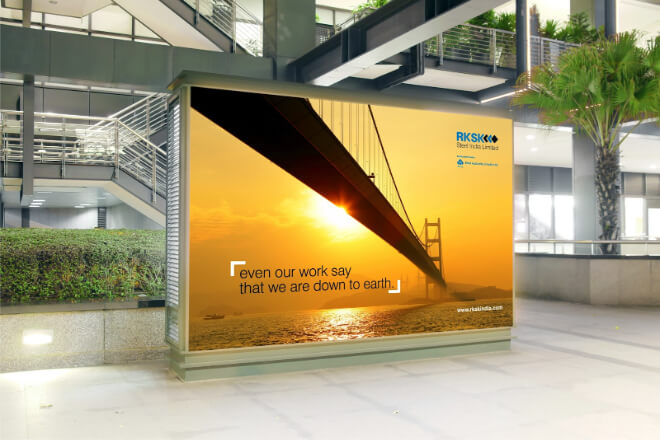
1) Information Delivery Efficiency
In a business environment, audience attention is limited. LED screens can clearly present complex information within seconds through dynamic charts, layered information, and animated shorts.
For example, product features, event schedules, or announcements can be quickly understood by viewers with just a glance at the screen.
Compared to static posters, dynamic displays on LED screens are more eye-catching and reduce information omissions.
2) Conveying Brand Stories
Brand concepts and stories are not just words; they need to be “seen” and “felt.” LED screens can use animation, short videos.
And dynamic visual effects to vividly present brand history, core values, corporate culture, or product stories.
Compared to simple slogans, dynamic displays create a sense of immersion for viewers, making it easier to remember the brand image.
For example, short brand story films played on large screens at exhibitions or shopping malls are more attractive and impactful than printed brochures.
3) Delivering Advertising and Promotional Information, Enhancing Market Competitiveness
LED advertising screens are powerful tools for instantly delivering promotional information.
New product launches, discount activities, and limited-time offers can all be displayed on the screen or highlighted with animation.
Compared to traditional advertising, LED screens can attract the attention of more passersby, allowing brands to stand out in a highly competitive market.
Combined with lighting, motion effects, or interactive elements, advertisements are not only seen but also remembered and can even trigger purchasing behavior.
4) Data-Driven
LED screens are more than just display tools; they can be integrated with data analytics for precise marketing.
By analyzing audience traffic, click and interaction records, and viewing time, brands can determine which content types are most popular.
And which time slots are most effective, thereby optimizing their advertising strategies.
Simply put, LED screens transform “viewers” into not just audiences, but also analyzable data sources, helping brands make smarter marketing decisions.
 English
  Español
  简体中文
简体中文  Français
  日本語
日本語  한국어
한국어  العربية