
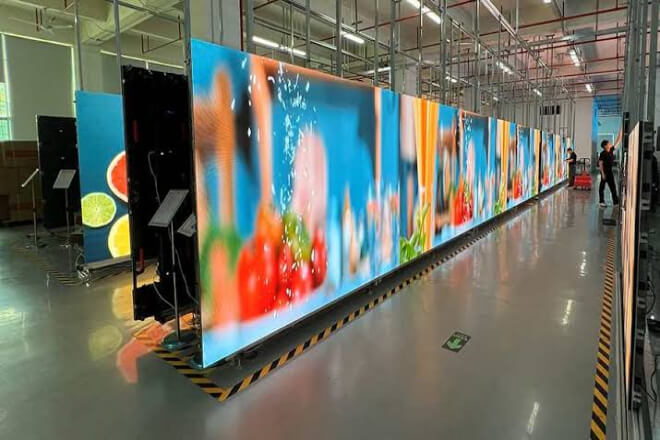
When purchasing an LED display, budget is an unavoidable topic. If the budget is too low, there are concerns regarding display quality and lifespan;
If the budget is ample, there is a risk of overspending without realizing the true value of the investment.
In reality, selecting an LED display is not merely a matter of comparing prices.
Instead, one must consider project requirements, the operating environment, and long-term operational costs to identify the solution that is truly the best fit.
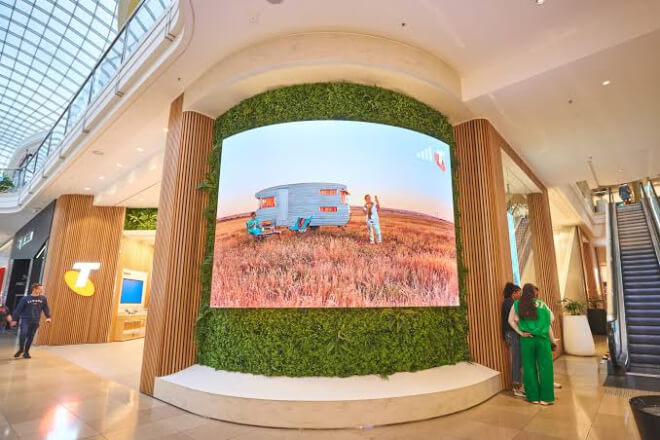
When faced with quotes from various manufacturers, some project managers might prioritize the lowest-priced product.
However, since an LED display is a piece of equipment intended for long-term use, focusing exclusively on the initial purchase cost often leads to overlooking future expenditures.
First, variations in configuration directly impact the price.
Factors such as pixel pitch, LED component quality, driver solutions, refresh rates, and cabinet structure all influence the overall cost of the product.
Consequently, even two screens of the same size can have significantly different price tags.
Second, the installation environment plays a crucial role in the budget.
Indoor conference rooms, outdoor billboards, commercial complexes, and sports venues each have distinct requirements regarding brightness, protection ratings, heat dissipation, and mounting structures.
Opting for a product that fails to meet environmental requirements—simply to cut costs—can result in additional expenses for repairs or replacements down the line.
Furthermore, one must also account for costs related to transportation, installation, control systems, content playback equipment, and ongoing maintenance.
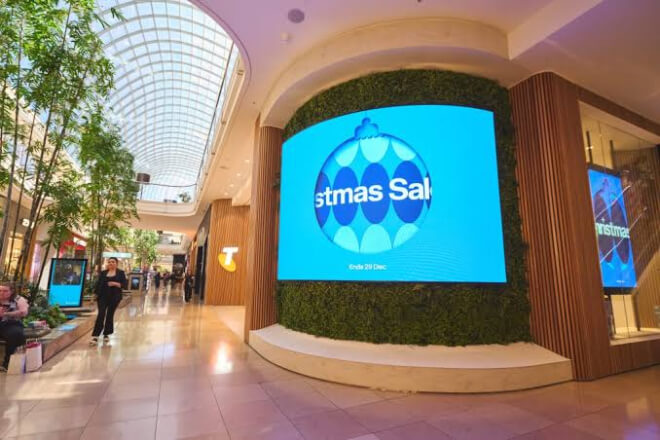
Selection strategies should naturally vary according to the available budget.
Rather than striving for the highest specifications across the board, it is better to identify which configurations have the most direct impact on the project’s intended outcome.
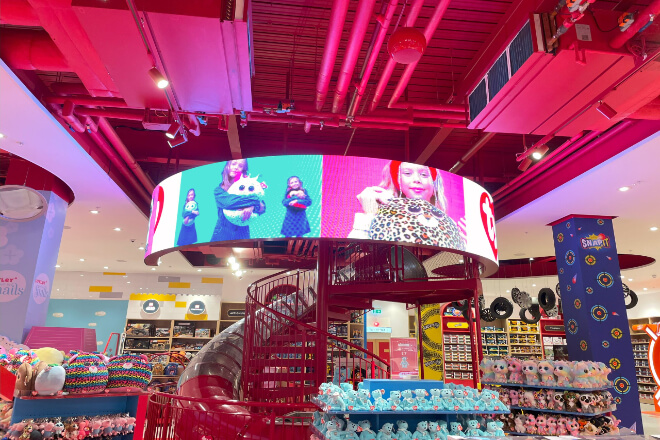
To ensure your budget is allocated effectively, it is essential to understand the primary cost components of an LED display system.
- درجة البكسل:
A smaller pixel pitch generally requires a higher density of pixels per unit area.
This places greater demands on manufacturing processes and product specifications, typically resulting in a higher price.
Whether a fine-pitch display is actually necessary should be determined based on the viewing distance and the content being displayed.
- حجم الشاشة:
A larger display area generally requires more modules, cabinets, and supporting equipment, which increases the overall cost.
Product type:
Different types—such as standard LED displays, transparent LED displays, flexible LED displays, and outdoor LED displays—differ in terms of structure, materials, and manufacturing processes, leading to variations in price.
- Brightness and protection:
Outdoor projects usually require higher brightness levels as well as dustproof and waterproof capabilities, whereas indoor projects prioritize visual quality for close-range viewing.
- Control systems and ancillary equipment:
Components such as video processors, transmission equipment, power distribution systems, and content management hardware can all impact the final quotation.
- Installation and maintenance methods:
Methods such as hanging (flying), wall-mounting, or floor-standing installation—along with front-access or rear-access maintenance designs—will result in different construction and long-term maintenance costs.
Therefore, when comparing price quotes for LED displays, businesses should request a detailed list of specifications from suppliers rather than focusing solely on the price per square meter.
Products of the same size but with different configurations cannot be directly compared.
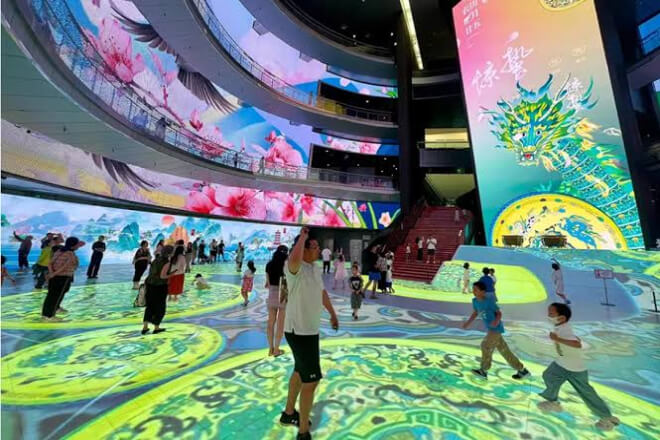
Project budgeting is most vulnerable to two extremes: skimping too much at the start, leading to a need for continuous additional investment later;
Or over-specifying, where the equipment’s full value is never realized in actual use.
Businesses can mitigate risks in budget decision-making by focusing on three areas.
First, clarify the core purpose of the project.
If the LED display is primarily for brand promotional videos, the focus should be on color reproduction, brightness, and visual playback quality.
If it is intended for meetings or data visualization, the focus should shift to text clarity, signal stability, and the ability to connect multiple devices.
Different use cases require different configurations.
Second, allocate a reasonable budget for supporting infrastructure.
Do not invest the entire budget solely in the screen itself. Power systems, steel structures, installation, control equipment, and ongoing maintenance are equally critical.
In large-scale projects especially, failing to plan for structural and electrical requirements early on can lead to high additional costs for retrofitting later.
Third, consider long-term operational costs.
LED displays are designed for continuous operation; factors such as energy consumption, repair frequency, the availability of spare parts, and the complexity of maintenance will all impact long-term expenditure.
Choosing a product with a sound design that is easy to maintain helps reduce the burden of future operations.
A useful approach is to first define the essential functions the project must deliver, then incrementally add features that provide tangible value—rather than starting with the highest possible specifications and trying to cut back.
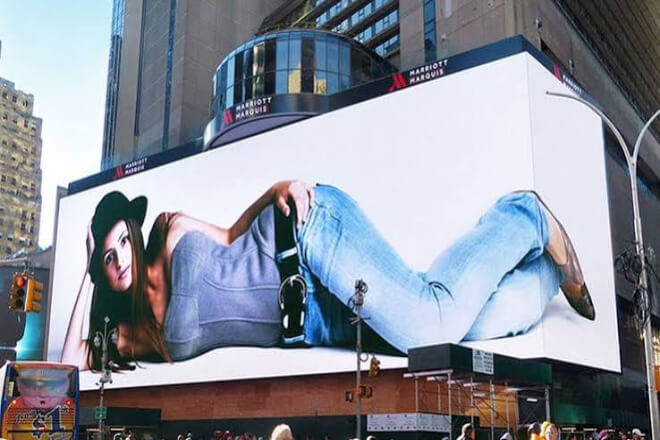
Once the budget and requirements are clear, the next step is to engage with suppliers.
To prevent omissions in the quote or discrepancies during project delivery, be sure to clarify the following points:
- Are the product specifications clearly defined?
This includes pixel pitch, the brand and specifications of the LED components, the driver solution, refresh rate, brightness, and the ingress protection (IP) rating.
- Does the quote cover all necessary supporting components?
Does it include the control system, video processing equipment, power supplies, steel structures, and costs for installation and commissioning?
- What are the arrangements for after-sales service?
Does this include a warranty, technical support, repair services, and the provision of essential spare parts?
- Is the system easy to maintain?
Does the system support front or rear maintenance? Are key components easy to replace?
- Does the vendor have experience with similar projects?
You can ask for case studies involving comparable application scenarios to understand how the product performs in real-world environments.
Furthermore, it is best to have different vendors submit quotes based on the exact same technical specifications.
This ensures a fair comparison, preventing situations where one quote covers only the screen itself, while another includes the complete installation system.


 English
 Español
 简体中文
 Français
 日本語
 한국어
 العربية