
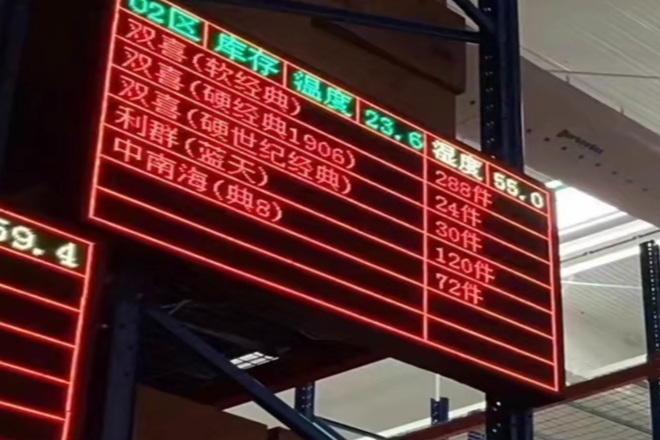
In a warehouse, time is efficiency.
A delay of even a few minutes in shipping can disrupt the entire process; a slow transmission of information can force staff to walk significantly more.
Therefore, more and more warehouses are using يعرض الصمام to directly “move” inventory, task, and reminder information to the field, allowing management to move beyond reliance solely on computer data.
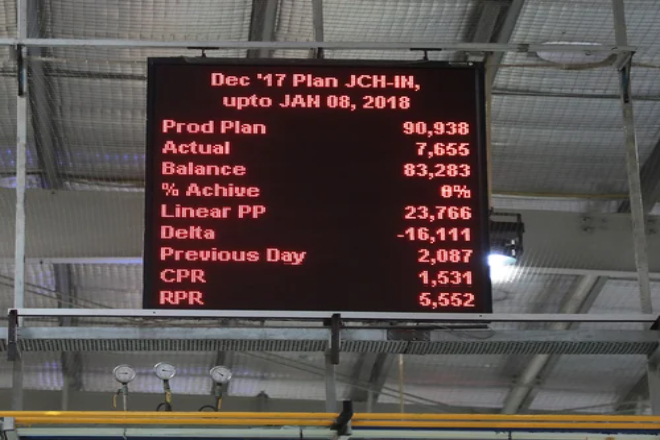
In a warehouse, sometimes the most frustrating situation isn’t “out of stock,” but rather—goods are clearly inside, yet no one knows where they are.
Especially in large logistics centers, where hundreds or even thousands of items enter and leave daily.
If information isn’t updated promptly, staff may spend considerable time searching, confirming, or even “exploring” the warehouse to find the goods.
يعرض الصمام allow this information to appear directly on-site.
For example, at warehouse entrances, dispatch centers, or production areas, LED screens can display real-time inventory quantities, product status, order progress, and task assignments.
Staff can quickly understand the current situation as they pass by, without needing to frequently open the system for checks.
For example, when a batch of important orders needs to be prioritized for outbound shipment.
Managers can monitor the processing progress through LED screens and adjust personnel and equipment arrangements accordingly.
If a certain area is short of inventory, it can also be quickly identified and replenished.
Compared to traditional information retrieval methods, LED displays transform data from “information on a computer” into “information visible on-site.”
For modern warehouses, LED displays act as a real-time updated “digital command board.”
They don’t move goods themselves, but they make it clearer to everyone what to move next and how to move it, improving the efficiency of the entire warehousing process.
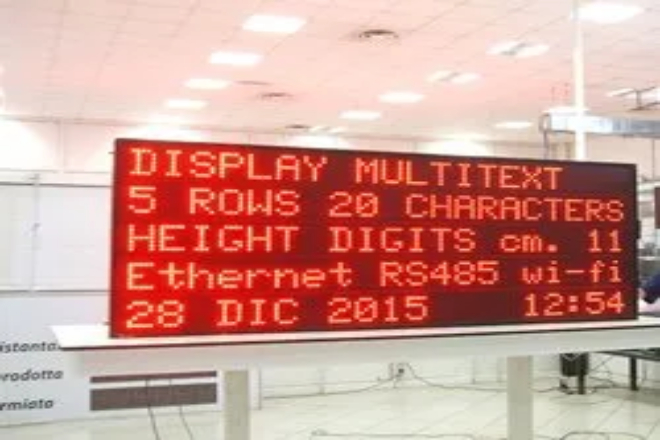
In logistics warehouses, time is efficiency.
A delay of even a few minutes in processing a batch of goods can affect subsequent delivery arrangements; a delayed update on task information can cause staff to make unnecessary trips.
LED displays can help warehouses make complex operational processes clearer.
For example, in large distribution centers, LED screens can display the daily inbound quantity, pending orders, outbound tasks, and delivery progress in real time.
Staff can quickly understand the current priorities as they pass by, without having to repeatedly open the system for queries.
Suppose a batch of customer orders needs to be shipped on the same day. Managers can use شاشات ال اي دي to mark priority tasks and remind relevant areas to prepare in advance.
If a backlog occurs in a sorting (sorting link/stage), it can also be detected immediately and staffing arrangements adjusted.
This method makes it easier for everyone in the warehouse to “keep up with the pace.”
Compared to traditional paper task sheets or verbal notifications, LED displays can update in real time as system data changes, making information flow faster.
For modern logistics warehouses, LED displays are like a “tired on-site commander.” They help remind tasks, synchronize progress, and make every move in the warehouse more focused.
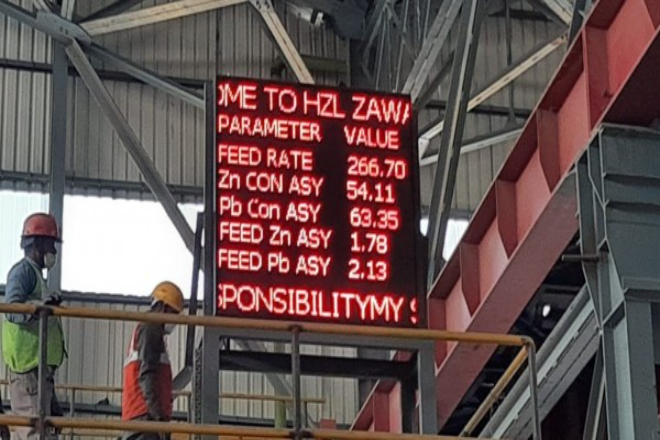
What’s the worst thing about safety reminders in a warehouse?
It’s not that they’re not written down, but that they’re written on the wall and no one really notices them.
When busy moving goods, sorting, and operating equipment every day, staff find it difficult to constantly pay attention to fixed safety signs. LED displays, however, can proactively display this important information to everyone.
For example, in forklift access areas, LED screens can display real-time reminders such as “Caution: Vehicles Approaching” and “Maintain Safe Distance.”
In equipment operating areas, they can display equipment status, maintenance prompts, and abnormal information, helping staff to promptly identify risks.
Suppose a warehouse is experiencing peak shipping activity, with increased personnel and equipment.
Managers can use LED screens to remind everyone to pay attention to aisle safety and operating procedures, reducing errors caused by chaos.
Compared to traditionally posted safety notices, the biggest advantage of LED displays is that the content can be updated at any time.
Today it can remind you to avoid collisions, tomorrow it can remind you to maintain equipment, and in special weather conditions.
It can promptly issue notices about anti-slip and moisture prevention, making safety management more closely aligned with actual work scenarios.
For modern warehouses, LED displays are like “on-site safety reminders.”
They don’t operate equipment for employees, but they can remind everyone at critical moments: a moment’s delay in checking might mean avoiding a risk.
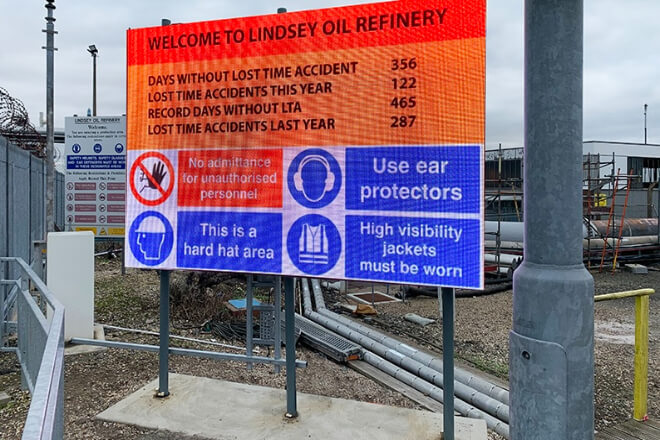
In large warehouses, the biggest problem isn’t the amount of work, but that everyone is busy yet unaware of each other’s progress.
For example, the receiving department may have completed goods registration, but the sorting area may not;
The delivery department may be in a hurry to ship goods, but the packaging stage may not be ready.
This lack of information synchronization can easily make the entire process resemble a relay race missing a baton.
LED displays can help maintain a synchronized workflow across all areas of the warehouse.
In large logistics centers, LED screens can be deployed in storage areas, sorting areas, packaging areas.
And management centers to display real-time information such as order status, task progress.
And area arrangements, allowing different positions to quickly understand the current situation.
For example, during e-commerce promotional periods, when order volume suddenly increases, managers can use شاشات ال اي دي to see which areas are under heavy workload and adjust staffing accordingly;
Sorting staff can also prioritize urgent orders based on the displayed information, improving overall workflow speed.
Compared to relying on telephones, walkie-talkies, or manual notifications, on-site information display is more direct.
When staff pass by the screen, they can quickly obtain the latest tasks without repeatedly checking: “Is this order ready?” or “When will the next batch of goods arrive?”
For large warehouses, LED displays act as a “shared workbench.”
It allows everyone to see the same real-time map, reducing communication costs and facilitating smoother collaboration across the entire warehousing team.
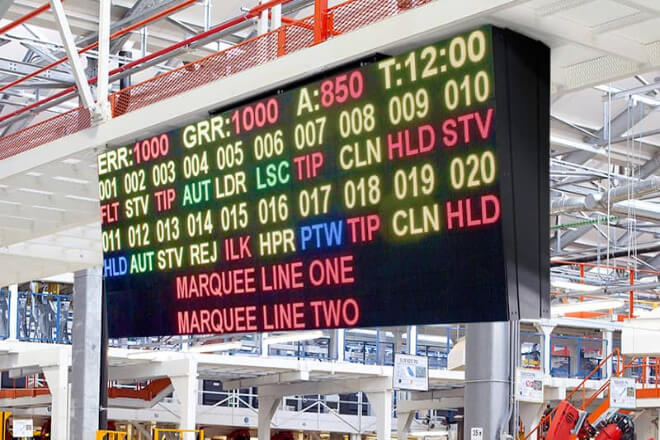
Today’s warehouses are no longer just “places to store goods,” but rather high-speed data systems.
How much inventory arrives daily? Which orders are being processed? Which area is most efficient?
If this information remains only in the system backend, managers will find it difficult to grasp the situation on-site in real time.
LED displays can help warehouses truly “bring this data to the field.”
By connecting to a Warehouse Management System (WMS), LED screens can display key data.
Such as inventory status, order progress, equipment operation, and operational efficiency in real time, making complex information more intuitive.
For example, in the management area of a logistics center, the person in charge can quickly view the day’s shipment volume, task completion rate, and anomalies through a large screen.
If a backlog occurs in a certain link, personnel can be adjusted or processes optimized in a timely manner, rather than discovering the problem only after it escalates.
Compared to constantly checking computer reports, data visualization makes management decisions faster.
Staff no longer see just cold numbers, but a real-time updated “warehouse operation map.”
For modern warehousing, LED displays are like a “live window” to the WMS (Warehouse Management System).
They ensure data isn’t just stored in the system, but truly helps the warehouse operate faster and smarter every day.


 English
  Español
  简体中文
简体中文  Français
  日本語
日本語  한국어
한국어  العربية