
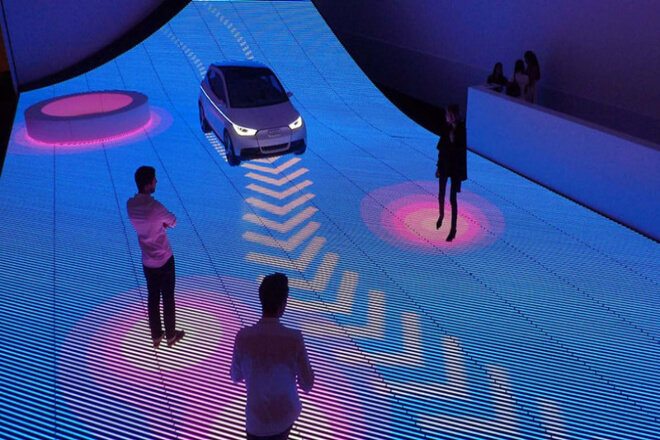
Digital art is a way of presenting creativity and art through digital technology.
Using screens, projections, animation, or artificial intelligence, light, sound, and dynamic effects are integrated into the artwork, allowing viewers not only to “see” the art but also to “feel” and “experience” it.
Interactivity is the core of digital art 展览. Viewers can interact with the artwork through touch, movement, or sound, changing the visuals or triggering effects.
This sense of participation transforms viewers from bystanders into “co-creators,” enhancing immersion and fun, making the exhibition not only visually appealing but also memorable.
Simply put, interactive digital art exhibitions make art “responsive,” allowing viewers to truly enter the artwork and become part of the experience.
1). Displaying Digital Artwork
LED screens act like a grand 阶段 in an exhibition, vividly presenting videos, animations, and dynamic images.
Static images come alive on the screen, with vibrant colors and flowing light and shadow, immersing the viewer in the world of art.
Whether it’s dreamlike light and shadow effects or unique geometric transformations, LED screens magnify artworks, making every detail clearly visible, “illuminating” the viewer’s eyes and mind.
2) Interactive Display
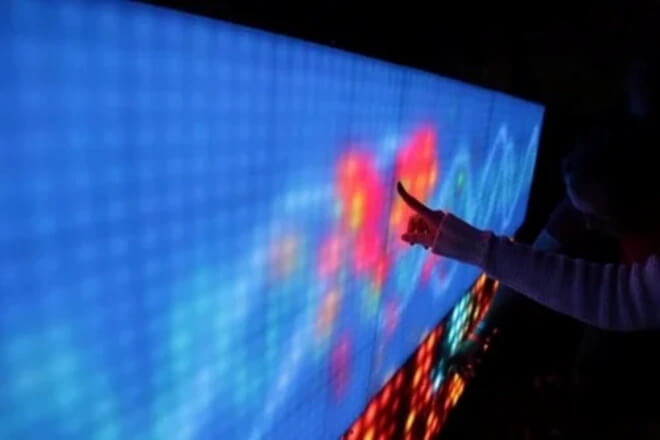
Even more interestingly, LED screens respond to your movements.
Viewers can touch the screen, wave their arms, or even move their bodies to influence the image, allowing the artwork to “interact” with them.
Each person’s participation creates a different state for the image, as if each interaction is a creation, transforming the viewer from an observer into a “co-creator.”
This interactivity not only makes the exhibition more interesting but also more immersive—every action you take brings the artwork to life.
3) Information and Background Presentation
LED screens are not only used to display beautiful images but can also provide rich supplementary information.
The artist’s introduction, creative inspiration, historical background of the work, or explanatory text can all be displayed simultaneously, making it easier for viewers to understand the story behind the artwork while appreciating it.
In this way, viewers not only “see” but also learn through interaction, understanding art while playing, making the exhibition experience more complete, more interesting, and more likely to leave a lasting impression.
1) The Possibilities of Combining Artist Creation with LED Screens
Imagine artists are no longer just painters on canvas, but directors who can “manipulate light and animation.”
LED screens bring creation to life: the images can change over time, colors and patterns can change with audience interaction, and new visual effects can even be generated based on real-time data.
Each time a work lights up, it’s a unique performance, ensuring that the audience sees something different each time.
LED screens allow artists to unleash their creativity, bringing traditional art into the digital world.
2) The Fusion of Spatial Design and Visual Art
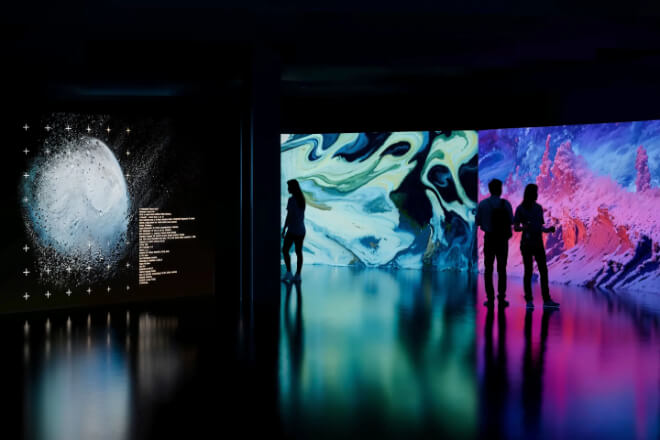
在 展览 halls, LED screens can be perfectly integrated with the space, transforming the entire environment into a work of art.
Imagine screens covering walls, floors, ceilings, or even wrapping pillars; as you move through the space, the light, colors, and screen images constantly change with your perspective.
The audience is like walking into a “maze of light and shadow,” discovering new visual effects at every step.
LED screens not only display artworks but also create an immersive experience within the space, making you feel surrounded by art, with even the air filled with the scent of creativity.
3) Interactive Installations and Art Installations
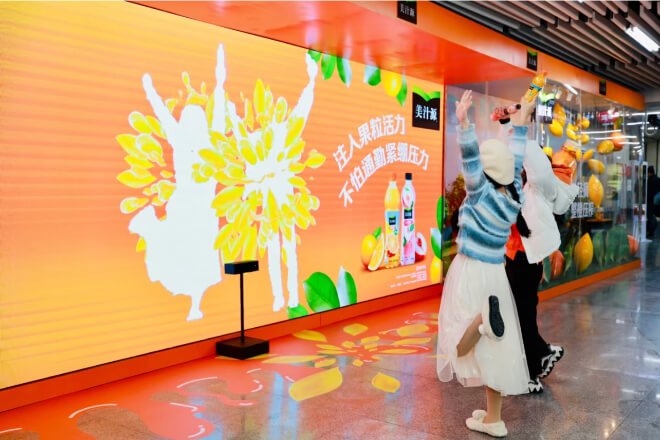
LED screens can also be combined with sculptures or interactive installations to form engaging “interactive labs.”
Waving your arm or speaking a word will change the images on the screen, even synchronizing the lighting and shadow effects of the entire installation.
You are no longer just a viewer, but a participant and co-creator. Every action can potentially transform the artwork, making the exhibition full of surprises.
This kind of interaction brings art to life; each participation is a unique experience, making the entire exhibition more interesting and memorable.
 English
  Español
  简体中文
简体中文  Français
  日本語
日本語  한국어
한국어  العربية