
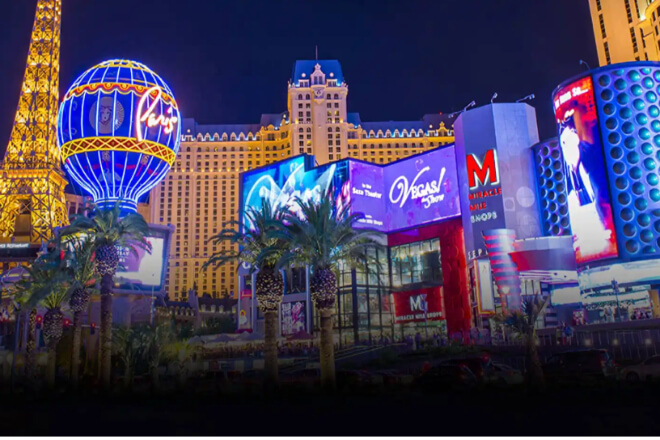
If we consider a city as a constantly operating system, then LED displays are like a “moving bulletin board,” but their role goes far beyond simply “displaying.”
First, they are an efficient window for public information dissemination. Whether it’s policy notices, event information, or traffic alerts.
Dynamic visuals can quickly reach large numbers of people, ensuring that information no longer remains on paper or bulletin boards, but rather “actively appears before you.”
Second, they also play a supporting role in city management and services. In transportation hubs, commercial districts, and public spaces.
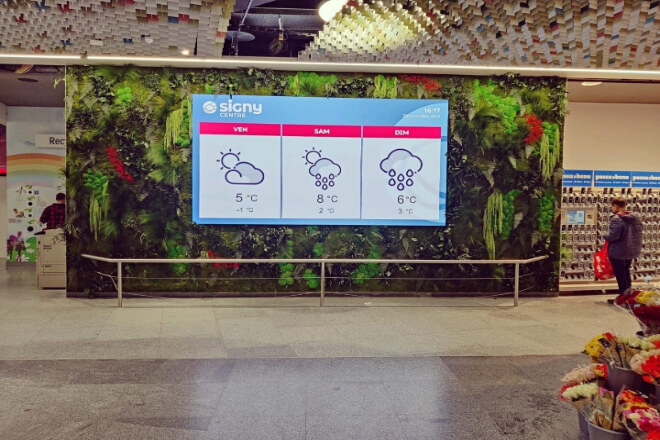
LED屏幕 can be used to guide pedestrian flow, issue temporary notices, and provide weather or emergency alerts, allowing cities to operate in a more visible and controllable manner.
Furthermore, it serves as a real-time information display platform. Compared to traditional media, LED screens can update content instantly based on data or event changes.
Ensuring information remains “currently valid,” making them particularly suitable for fast-paced and rapidly changing urban environments.
Finally, from an overall perspective, it fundamentally improves the efficiency of information delivery.
It transforms information from simply “being published” to being “noticed” in a more intuitive and dynamic way, allowing more people to receive key content within a limited time and space.
Simply put, the role of LED displays in a city can be understood as a non-intrusive yet highly visible information transmitter, silently delivering important information to where it should be.
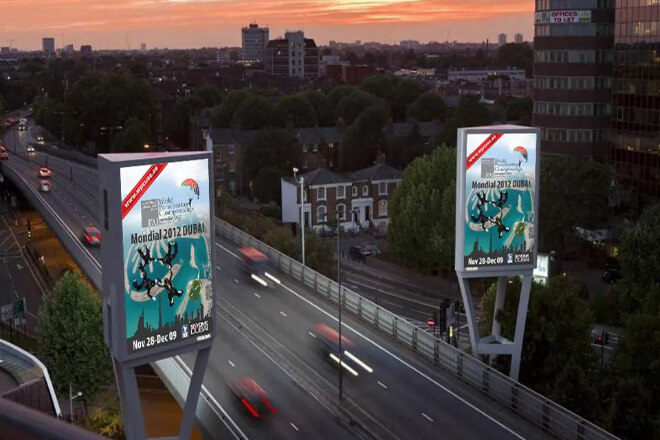
LED displays are not “placed everywhere,” but are more suitable for key nodes with high population density.
High information volume, and fast pace—think of them as “high-frequency information intersections” in the city.
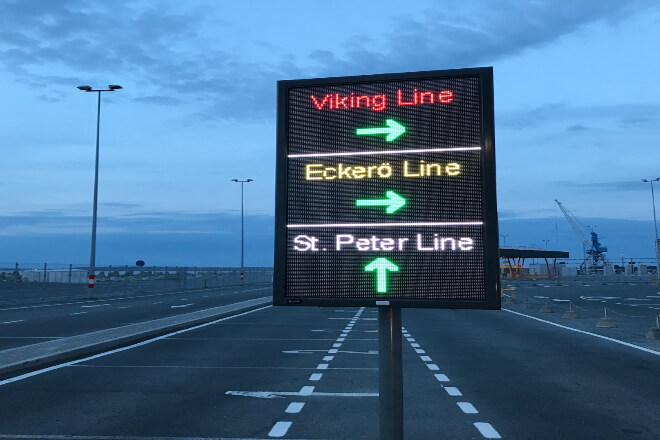
First and foremost are transportation hubs, such as 机场, subway stations, and bus stops.
People in these areas are typically in a rush, and their need for information is immediate and specific.
LED screens here act as a constantly updated reminder assistant, quickly delivering key information such as schedules, directions, and reminders to everyone who needs it.
Secondly, there are city squares and public spaces. These areas are more like the city’s “living room,” where people linger, gather, and interact.
LED screens here can serve as displays for announcements, event information, or city promotion.
Allowing information to naturally enter the field of vision without disrupting the spatial atmosphere.
Next, there are commercial streets and shopping complexes, where the information attributes are more focused on “attracting and guiding.”
LED screens can convey public information and also complement commercial activities and brand content, creating focal points in the flow of people, turning “passersby” into “stayers.”
Finally, there are government service halls and public service windows. Here, clarity and standardization are emphasized.
LED screens can be used for process guidance, service instructions, or policy information displays.
Making complex procedures more intuitive, reducing repeated inquiries, and improving overall efficiency.
In short, these scenarios all share one thing in common: people are moving, but information cannot be slow.
The value of LED displays lies in delivering information “right to your doorstep” at these key locations.
LED显示屏 cover a very wide range of content in urban information dissemination, and each type of information has its corresponding use value and expression method.
We can understand this from several typical types:
LED displays are more than just “playing a few pictures on a loop.” They act like the “heart” of the city.
Responsible for delivering important information to the right people at the right time and place, ensuring everyone grasps the key points at a glance.
First, there’s the real-time update and dynamic publishing mechanism. Traffic congestion, sudden weather changes, and emergency notices—information changes daily.
If the screen content remains stuck in yesterday’s news, it’s ineffective.
By integrating data and content, allowing screens to update in real time, it’s like equipping the city with a “dynamic information radar,” broadcasting the most useful content at every moment.
Second, there’s the time-segmented content switching strategy. During rush hour, people are most concerned about travel information.
During the day, announcements and service information receive more attention; at night, promotional or guiding content can be displayed.
Optimizing content according to time allows the screen to “speak” at different stages, capturing attention more effectively than a static loop.
Furthermore, multi-point linkage enhances coverage. A single screen has limited coverage, but multiple screens working together create an “information network.”
With the same message appearing repeatedly in different locations, naturally doubling the information’s retention effect.
Finally, there’s content tiering and priority management. Not all information is equally important.
Critical content, such as emergency information, needs to be displayed first, while general announcements can be broadcast on a schedule.
Tiered management ensures that screen content is both orderly and can play its maximum role at critical moments.
Simply put, the secret to efficient dissemination is: ensuring information appears at the right time, in the most easily visible place, and in the most comfortable way.
This is how LED screens truly become masters of urban information dissemination.
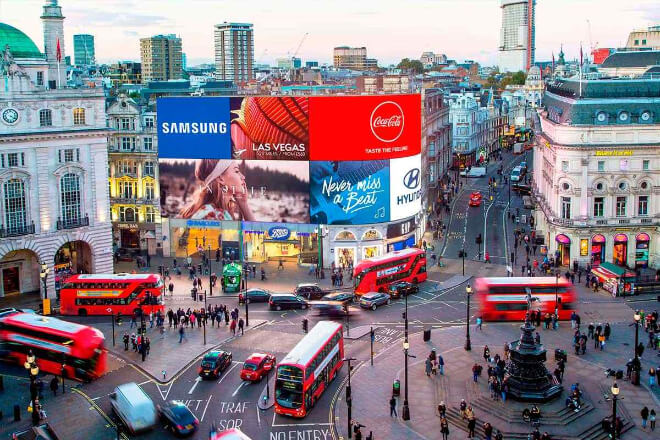
Many people think that LED screens are simply “installed and started broadcasting,” but what truly tests their operation is the underlying management approach.
Without a clear operational logic, it’s easy to encounter chaotic content, untimely updates, and even situations where different screens “talk different things.”
First, there’s a unified platform with centralized control. Managing all screens on a single platform allows for content publishing, scheduling, and emergency insertions to all be completed in one place.
The benefits are direct: higher efficiency, less error-proneness, and a more consistent overall content style.
Second, there’s multi-screen remote management and scheduling. Urban screens are often distributed across different areas, making on-site operation impossible every time.
Remote management allows for real-time status monitoring and content adjustments, providing flexible control over which screens should display what and when.
Next is data integration and information source consolidation. For example, manually updating information such as traffic, weather, and 政府 affairs is slow and prone to omissions.
By integrating the data system, content can be automatically synchronized, making the screens more “real-time online” and reducing human intervention.
Finally, there’s the standardization of content review and publishing processes. A simple review before information release not only prevents errors but also ensures compliance.
Furthermore, in emergencies, a fast track allows for the priority release of important information, preventing delays due to normal scheduling.
 English
  Español
  简体中文
简体中文  Français
  日本語
日本語  한국어
한국어  العربية