
LED displays are becoming increasingly common in 购物广场, 展览, restaurants, and even outdoor advertising.
However, many misconceptions exist, often deterring businesses from adopting them.
In fact, understanding the actual performance and advantages of LED屏幕 reveals their durability, ease of use, and excellent returns.
This article debunks six common misconceptions to help you see the truth and choose the right screen without making mistakes.
Many people mistakenly believe that for LED displays, higher 亮度 is always better, as it makes them more eye-catching.
However, in practice, you’ll find that higher brightness doesn’t necessarily equate to “high-end.” It depends on where you place it.
For example, some shopping mall counters, aiming for “high visibility,” set the brightness to the same level as outdoor screens. The result is that customers’ first reaction isn’t “Wow, so clear!”
Instead, they instinctively squint or walk around it, especially when there’s a glass reflection nearby, completely obscuring the image.
Beyond a poor user experience, excessive brightness also increases energy consumption and forces LEDs to operate under high load for extended periods, accelerating screen degradation.
Think of it like a phone screen constantly at full brightness – the battery drains quickly, and the screen ages faster.
Therefore, when choosing brightness, we should consider the scenario. For example, in indoor baby stores, 800 to 1000 nits is perfectly adequate.
Shop window displays, exposed to sunlight, might require 3000-4000 nits; while truly high brightness (5500-6000 nits and above) is primarily used for outdoor large screens, ensuring visibility even in direct sunlight.
If your location experiences significant daytime light variations, consider adding an automatic brightness adjustment system.
This allows the screen to “judge” the ambient light and adjust its brightness accordingly, much like car headlights automatically turn on – less glaring and more energy-efficient.
Simply put, LED brightness isn’t about who’s brightest, but about who’s most “suitable.” Appropriate brightness makes people want to look and see clearly, rather than being blinded by its intensity.
Many people have a misconception about LED displays: that maintenance costs are extremely high, as if installing a screen means constantly spending money on repairs.
However, businesses that actually use them know that modern LED screens are much less troublesome than imagined.
The LEDs have long lifespans, the power supply is stable, and they can easily last five or six years under normal use.
Once, I did research at a baby store, and the owner told me that their LED screen had been used for three years, and they only had to replace the power cord of the content player once.
The screen itself “hadn’t been touched at all,” making it even less troublesome than an office printer.
Maintenance isn’t the kind of “engineers crawling around with tools” that people imagine. The most common maintenance for indoor screens is simply dusting. Really, just dusting.
A gentle wipe with an anti-static cloth immediately makes the image quality much clearer. Outdoor screens are slightly more troublesome。
But they only need to be cleaned once or twice a year to remove dust and water and ensure proper heat dissipation.
Most LED modules nowadays feature a front-maintenance design. If a particular LED chip fails, a technician can replace that small section in just two or three minutes—faster than repairing an air conditioner.
Many businesses are surprised after installing LED displays: “Wow, it’s so worry-free!”
Especially large screens in shopping malls, which are lit from morning till night, require only minor adjustments to brightness.
And content changes throughout the year; the embarrassing situation of a “sudden blackout” is almost nonexistent.
Therefore, LED displays are not high-maintenance “troublemakers,” but rather like a reliable “employee” that only needs regular checkups and occasional dusting.
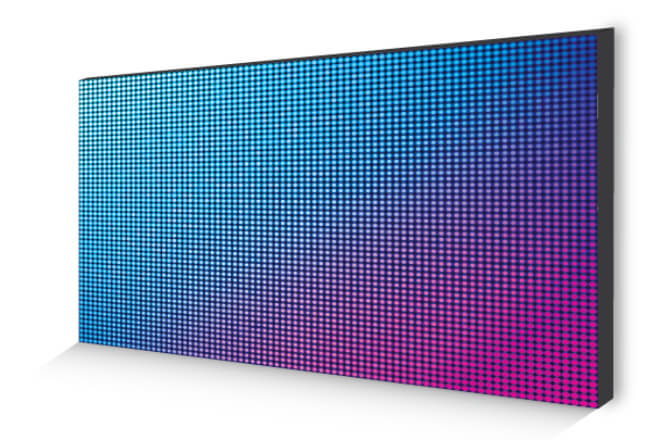
Some people think LED displays are delicate and easily damaged by moisture, dust, or intense sunlight.
In fact, modern LED screens are no longer “glass dolls.” Many products incorporate specialized protective designs.
For example, IP ratings, waterproofing, and dustproofing allow the screen to withstand wind, rain, dust, and even strong light.
Outdoor advertising screens, for instance, typically achieve IP65 or higher ratings, allowing them to display advertisements normally even in rainy weather, with no impact on brightness or color.
For example, LED screens near kitchens in shopping malls often come with oil- and dust-proof covers, preventing grease and grime from obscuring the screen and making cleaning very convenient.
When purchasing LED screens, businesses can choose the appropriate screen based on the installation environment.
In humid environments, such as swimming pools or underground parking lots, high-water-resistance LED screens should be selected to prevent moisture from affecting the wiring and modules.
In dusty or easily dust-accumulating factories and construction sites, screens with dust covers or removable, cleanable modules can be chosen to prevent dust buildup and poor heat dissipation.
If the screen needs to operate for extended periods, models with automatic cooling and temperature monitoring functions can be considered.
This prevents color differences or partial shutdowns due to overheating, even in high summer temperatures.
Furthermore, some minor optimizations can be made during installation. For example, outdoor screens should be installed in partially shaded locations to avoid prolonged exposure to direct sunlight.
Indoor screens can be placed in conjunction with air conditioning or well-ventilated locations to facilitate better heat dissipation.
In general, the resilience of LED displays largely depends on model selection and environmental adaptability.
As long as a reasonable selection is made based on actual needs, coupled with simple daily maintenance, it can operate stably and for a long time in various environments.
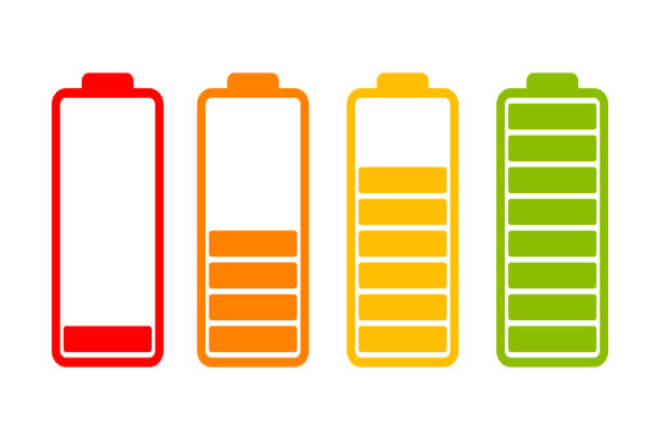
Some people believe that LED displays are extremely power-consuming and that large-scale deployment would result in exorbitant electricity bills, making them unsuitable for large-scale use.
In fact, modern LED screens are no longer the “power hogs” they once were.
Modern LED displays employ many energy-saving technologies, such as constant current drive, dynamic brightness adjustment.
And zone control, which can significantly reduce energy consumption while maintaining image brightness and color.
For example, some shopping mall outdoor advertising screens are lit for more than ten hours a day.
Previously, using rear projection or large-size LCD screens, the daily electricity bill might have increased by one-third to one-half.
However, after switching to LED screens, the energy consumption for the same image is significantly reduced.
And the brightness can be adjusted—brighter in strong daylight and dimmer in weak nightlight—saving energy and avoiding glare.
Businesses can also further reduce costs when purchasing LED screens through some simple techniques.
For example, choosing a screen with automatic brightness adjustment allows it to adjust its brightness automatically based on ambient light.
Selecting screens with high-efficiency modules and intelligent zone control ensures that only the illuminated areas consume power when displaying static advertisements or in dark areas.
Some brands also offer energy consumption monitoring, allowing businesses to view daily power usage in real time and optimize their playback strategies.
In the long run, properly selected and intelligently controlled LED displays not only don’t consume excessive amounts of electricity.
But are actually more cost-effective than traditional display technologies, more suitable for large-scale deployment, and reduce environmental impact.
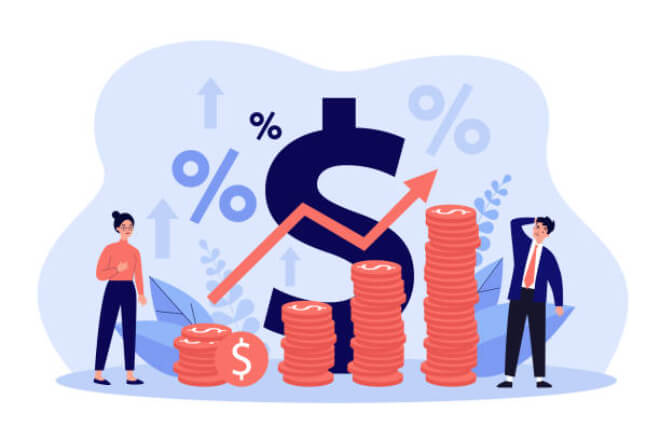
Some people believe that LED displays are too expensive for businesses to afford. While LED screens may be more expensive than traditional billboards.
Or LCD screens at the time of purchase, the long-term returns make a significant difference in cost-effectiveness.
LED screens have a long lifespan, low power consumption, and low maintenance costs.
Combined with vivid visuals and strong interactivity, they attract more customers and increase their desire to buy—these are direct benefits.
For example, a restaurant used to use an LCD advertising screen, which required several screen replacements per year and consumed a lot of electricity.
As a result, the annual cost of the screen was almost the same as buying an LED screen.
After switching to LEDs, not only did electricity and maintenance costs decrease by more than a third.
But the advertising images were also more eye-catching, and customers were more willing to look at them for a while, directly bringing in more business.
If a business has a limited budget, there are ways to choose a high-performance LED screen.
For example, choose the size and 解决 according to actual needs—indoor screens don’t need to pursue ultra-high pixels, and outdoor screens can be chosen based on viewing distance.
Choosing a modular screen means that if it breaks, only a part of the module needs to be replaced, avoiding the high cost of replacing the entire screen.
You can also pay attention to the energy-saving solutions and after-sales service provided by the manufacturer, making the investment not just a screen, but a long-term, stable advertising tool.
In short, LED displays are not “unaffordable,” but rather “high initial investment, but significant long-term benefits.” If used well, almost every penny can be returned to the business.
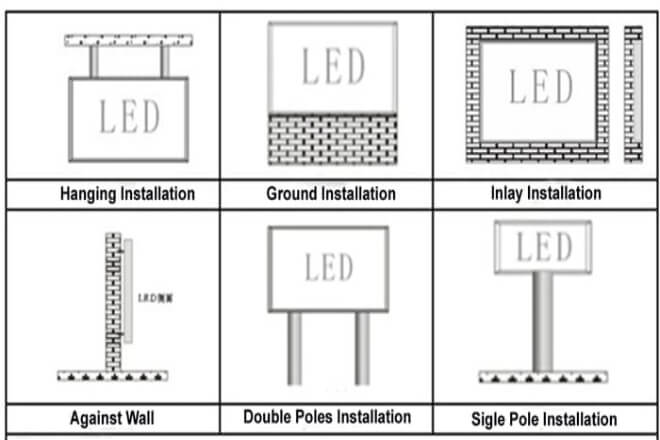
Some people believe that LED display installation is particularly complicated and requires a professional team; otherwise, it’s impossible to install.
Modern LED screens are far more convenient than before. Many products are designed with modularity, front maintenance, and quick assembly, making installation very simple.
For example, small indoor screens in shopping malls can be assembled by a few people in half a day.
The wiring is mostly plug-and-play, eliminating the need for a professional electrician to be present daily.
Of course, there are advantages and disadvantages to each installation method.
Self-installation is advantageous due to its low cost and flexibility, allowing for adjustments based on the store layout.
The disadvantage is that for larger screens, complex outdoor environments, or screens requiring precise brightness.
And color adjustments, self-installation may lead to errors, affecting the effect and lifespan.
Hiring a professional team for installation offers peace of mind, more stable performance, and better warranty coverage, but the cost is relatively higher.
When choosing an installation solution, businesses can consider the screen size, usage scenario, and budget: small indoor screens can be installed self-service.
While large outdoor screens or important display screens should ideally be installed by experienced service providers, ensuring they offer after-sales debugging and maintenance support.
This ensures optimal screen performance without the hassle of complex installation procedures.
 English
  Español
  简体中文
简体中文  Français
  日本語
日本語  한국어
한국어  العربية