
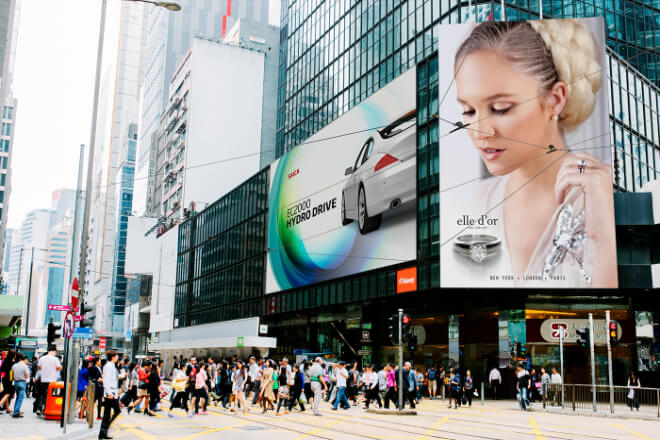
In today’s world, where information dissemination increasingly relies on visual effects, LED displays have become a common and popular display method in many locations.
Whether in مراكز التسوق, public squares, conference rooms, or معرض venues, LED displays can deliver a very intuitive display effect.
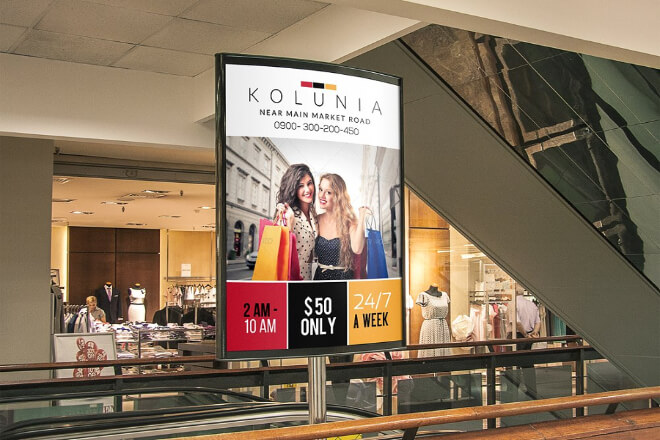
When designing LED display advertisements, creativity is key to attracting viewers. The advertisement content can only be truly effective if it captures attention and conveys information quickly.
Therefore, the following core elements should be focused on during the creative conceptualisation phase:
1). Colour Usage
Colour is the first element perceived by viewers. Using contrasting and clearly layered colour combinations makes the image more eye-catching and allows it to quickly “stand out” from the surrounding environment.
In actual design, colours should be appropriately matched according to the brand’s tone and display environment, avoiding excessive clutter while ensuring clarity under different brightness conditions.
2). Dynamic Content
Compared to static images, videos and animations are more likely to attract attention.
Dynamic content enhances the rhythm of the image, making information transmission more vivid and intuitive.
Reasonable control of animation rhythm and playback duration can attract attention without causing visual fatigue, thus improving the overall communication effect.
3). Creative Design
Good creative design requires a clear visual composition. The focus of the image should be prominent, with a clear information hierarchy, avoiding content clutter.
Through a concise screen layout and clear visual guidance, viewers can understand the core message the advertisement wants to convey in a short time, improving memorability and recognition.
4). Interactivity
Interactive features are a major highlight of LED display advertising.
Through touch, sound sensing, or other interactive methods, viewers change from “passive viewing” to “active participation.”
Which not only increases interest but also enhances the advertising experience and communication effect.
This sense of participation is often more likely to leave a lasting impression on viewers.
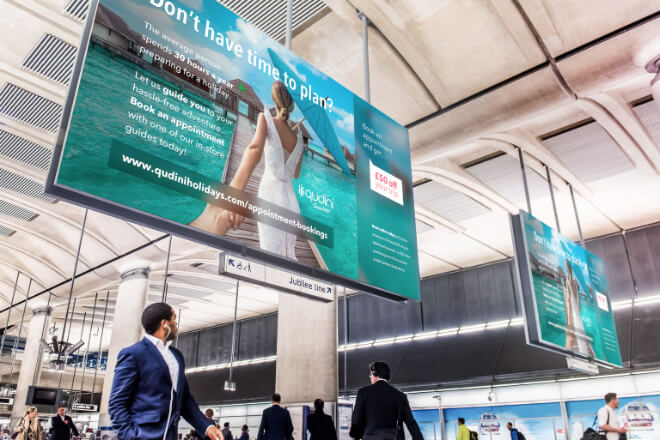
Before placing LED display advertisements, it is crucial to understand “who the advertisement is for.”
Different groups of people have very different concerns and interests.
For example, office workers are more concerned with efficiency and practicality, while young consumers are more easily attracted by creative content or visual effects.
Therefore, by considering pedestrian flow characteristics, consumption habits, or the surrounding environment.
You can determine what the target audience truly cares about, thus avoiding advertising content that “speaks to everyone but impresses no one.”
Once the target audience is determined, the content of the LED display advertisement needs to be adjusted accordingly.
For example, near office buildings, you can highlight the functional advantages or solutions of your product.
في مراكز التسوق or pedestrian streets, it’s more suitable to display visually impactful and fast-paced brand or promotional content.
Flexibly switching content for different target groups makes it easier to resonate with them and increases the attractiveness of the advertisement.
In terms of specific content selection, it should also be determined based on the advertising objective.
If it’s a new product promotion, you can highlight the core selling points and usage scenarios; if it’s a brand promotion, you can emphasise the brand image and philosophy.
During events, directly and clearly conveying the time, location, and discount information is often more effective.
Through clear audience targeting and content matching, LED display advertising can truly achieve its intended effect.
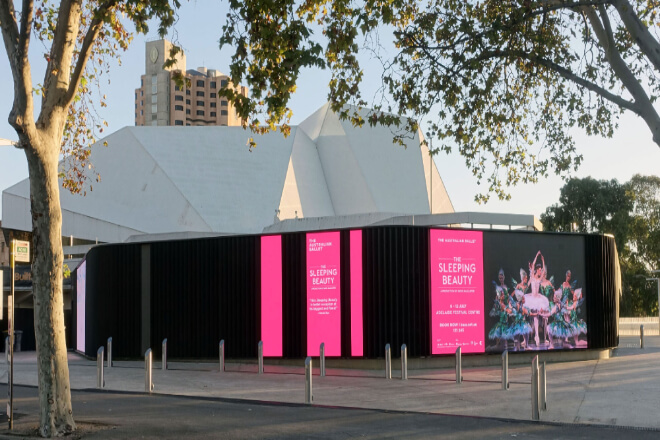
The effectiveness of LED display advertising largely depends on whether the placement is appropriate.
Choosing areas with high foot traffic and concentrated target audiences, such as business districts, transportation hubs, or large shopping malls, makes it easier to achieve high exposure.
In these places, people stay longer, and the probability of brand information being seen and remembered is higher.
For example, LED screens in مركز تجاري atriums or subway entrances can often reach a large number of potential consumers in a short time.
In addition to geographical location, the surrounding environmental conditions are equally important.
Ambient light directly affects the display effect. In outdoor or brightly lit places, a higher سطوع LED display needs to be selected to ensure that the image remains clearly visible during the day.
في نفس الوقت، عرض المسافة و زاوية should also be considered to avoid the screen being blocked or at an awkward angle, affecting the viewer’s experience.
In some special environments, such as رياضات stadiums, large concerts, or brand event venues, the setup of LED displays also needs to be adapted to local conditions.
For example, in a stadium, the display screen usually needs to cover a larger area, and the content should be concise and easy to understand.
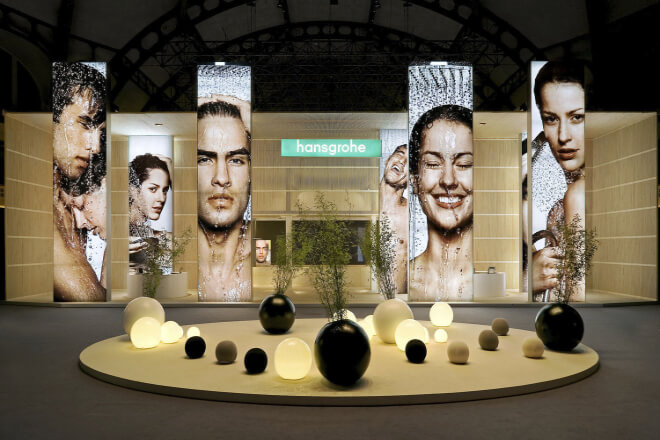
While at an event venue, it can be combined with the منصة design to create an immersive visual effect, allowing the advertising content to naturally integrate into the overall atmosphere, thereby enhancing the overall brand exposure and on-site impact.
LED display advertising is not a matter of “just putting it up and being done with it.” A reasonable placement strategy is essential for achieving real results.
First, you can schedule advertising playback times based on changes in pedestrian traffic at different times of the day.
For example, commercial areas experience higher foot traffic during rush hour, lunch breaks, or weekends, making these times ideal for increasing advertising frequency.
Brands targeting specific demographics can also choose time slots when their target audience is more likely to be present, thereby improving advertising reach and effectiveness.
During the advertising process, real-time monitoring of ad performance is crucial.
Information such as foot traffic statistics, playback data, dwell time, or interaction counts can provide a general indication of whether the advertisement is attracting viewer attention.
For instance, if a particular video receives significantly more views when played, it suggests the content is more engaging. This data can then be used as a basis for subsequent optimisation.
Continuously adjusting advertising content and placement strategies based on monitoring results is key to improving effectiveness.
For example, if it’s found that viewers are more easily captivated in the first few seconds, the core message can be placed at the beginning of the video.
If a particular time slot shows weak performance, the playback frequency can be reduced, or the content can be changed.
Through this real-time adjustment based on audience feedback, LED display advertising can continuously optimise its performance, ultimately achieving better communication effects and brand influence.
 English
  Español
  简体中文
简体中文  Français
  日本語
日本語  한국어
한국어  العربية