
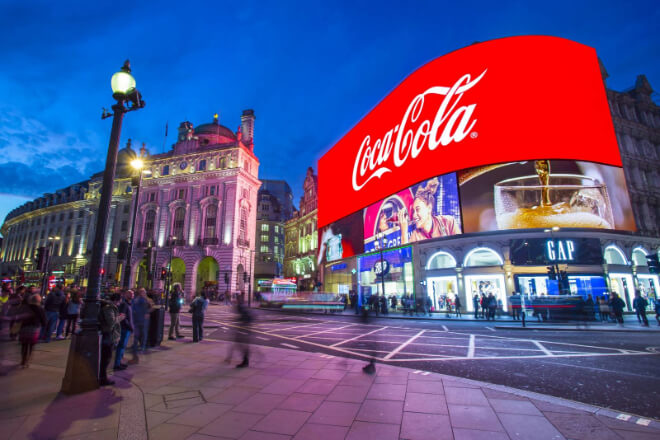
Properly adjusting the brightness of LED screens for nighttime outdoor events is truly counterproductive.
Too much سطوع will cause viewers’ eyes to throb, making it difficult to see the content clearly.
Too little brightness may make text, animations, or advertisements blurry, obscuring key information.
The first step to providing the best visual experience at night is to flexibly adjust the screen brightness according to the ambient light.
Most modern LED displays support manual or automatic dimming—brighter during the day when sunlight is glaring, and slightly dimmed at night for a softer yet clearer image.
Imagine an open-air concert or city square event at night: the stage lights are a riot of colors, but if the LED screen is too bright, it will strain the audience’s eyes and even overshadow the منصة.
Appropriate brightness ensures the screen content is clearly visible while blending seamlessly with the ambient lighting, enhancing the overall atmosphere.
Similarly, at nighttime festival light shows or outdoor exhibitions, a well-adjusted brightness allows the LED screen to display advertisements and event information without causing glare.
Viewers can enjoy the light show while simultaneously accessing information, creating a natural and comfortable experience.
Even more interestingly, some smart LED screens can automatically adjust their brightness based on ambient light—as the sun sets and streetlights come on, they automatically dim, saving energy and protecting viewers’ eyes.
In short, brightness adjustment is not only fundamental to nighttime visual optimization but also the secret to making LED screens “clear, comfortable, and visually appealing” at night.
Mastering the right brightness ensures your nighttime event advertisements are eye-catching yet glaring, making them enjoyable and memorable for viewers.
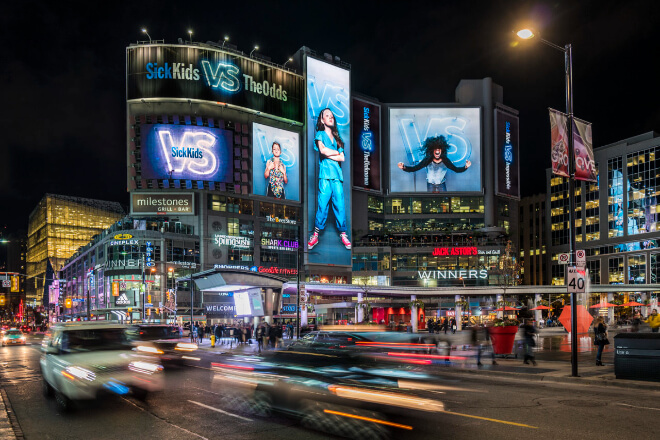
At nighttime outdoor events, if an LED screen’s contrast is insufficient and the colors are pale, like a “washed poster,” even the brightest screen may be overlooked.
To truly capture attention at night, the key is to adjust the contrast and color saturation, making the screen appear to leap out of the darkness.
Imagine an open-air concert or plaza festival at night. If the screen’s colors are monotonous and the contrast low, even with beautiful stage lighting, the content may be swallowed up by the environment, and the audience will only glance at it.
However, by increasing the contrast and enhancing the colors, dynamic videos, animated advertisements.
Or performance clips appear to move and flash, compelling viewers to watch for a few more seconds, or even stop to take photos and share them.
Dynamic content is particularly attractive at night. Animated advertisements, interactive displays, or performance clips.
When paired with high contrast and saturated colors, look more three-dimensional and impactful, as if the images are “jumping” out of the screen, completely immersing the viewer.
Simply put, adjusting contrast and color saturation is like giving your شاشة ليد a “glowing coat” at night, making it both eye-catching and unforgettable.
Mastering this trick will ensure your nighttime event ads firmly hold the audience’s attention, instead of letting their gaze drift into the darkness.
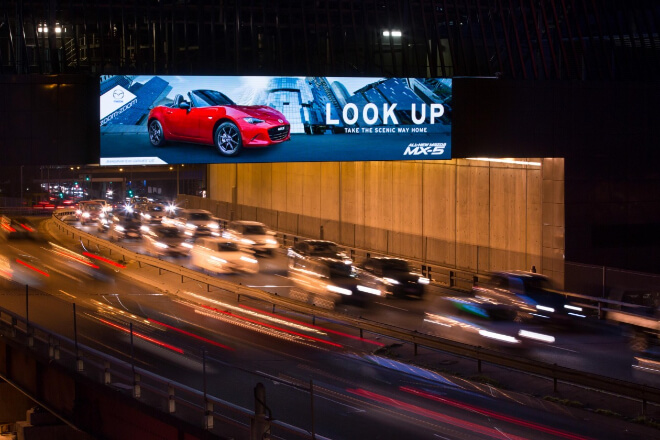
At nighttime events, static images often struggle to capture attention. Even the most beautifully designed posters may be overlooked in the dark if they don’t move.
This is where dynamic content and animation come in—scrolling text, dynamic charts, animated videos.
And even real-time data can make the screen look more vibrant, as if the image is dancing, inherently “eye-catching.”
For example, at nighttime open-air concerts, light festivals, or city square events, if the LED screen only displays static advertisements or event posters, viewers might just glance at it and walk away.
However, if the screen displays scrolling event information, dynamic animations, or real-time audience voting results, the scene instantly comes alive.
Viewers will naturally stop to watch for a few more seconds, and might even pick up their phones to interact or share photos.
For another example: During a city’s nighttime festival, LED screens played light animations synchronized with music, while simultaneously displaying real-time interactive voting.
The screens not only provided information but also became the “entertainment focus” of the event.
Viewers were drawn in by the dynamic visuals, stopping to watch and even spontaneously sharing on social media, further amplifying the screen’s impact.
In short, if nighttime LED screens want viewers to stay longer, the visuals need to be “dynamic.”
Dynamic content and animation are not only more eye-catching than static images, but they also make the nighttime visual experience more vivid and interesting.
Enhancing the event’s effectiveness and leaving a deeper impression on viewers regarding the brand or event.
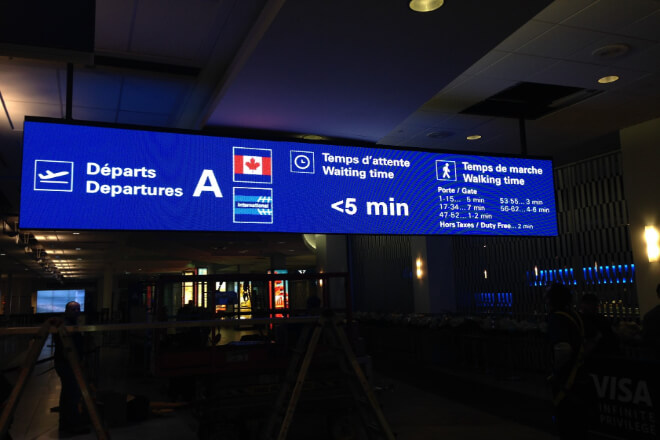
During nighttime events, even if the LED screen’s brightness and color are perfectly adjusted, if the installation angle is unsuitable, viewers may still be bothered by glare or reflections, affecting their viewing experience.
At this point, proper installation methods and tilt angles become crucial.
Imagine a large outdoor stage, a night market event, or a plaza festival where audiences gather from all directions.
If the screen is too vertical or directly facing strong light, those in the front rows may experience glare.
While those further away may have difficulty seeing the image clearly, significantly reducing the effectiveness of information delivery.
By adjusting the screen’s tilt angle and considering the audience’s primary viewing angle, reflections can be minimized while ensuring the screen image is clearly visible from different angles, allowing every audience member to easily access the information.
Besides angle, anti-glare treatment is also key. Some LED screens use anti-glare coatings or optimized surface materials, ensuring the screen remains soft and non-glaring even under nighttime lighting conditions.
For example, LED advertising screens in night markets and large display screens in festival plazas are slightly tilted.
And combined with anti-glare designs, ensuring that text, videos, or animations on the screen remain clear and comfortable even under bright ambient light.
In short, proper screen installation and tilt angle settings are like finding the LED screen’s “the most comfortable position.”
It not only ensures that viewers can clearly see the content from different angles at night, but also reduces eye fatigue and improves the overall viewing experience.
Mastering this step will make your nighttime event advertisements more attractive, making viewers stop and watch instead of quickly passing by.
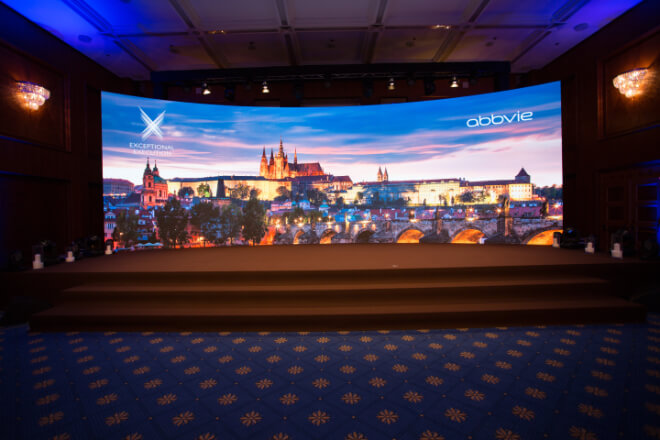
At night, if the image on an LED screen isn’t smooth, even the most exciting dynamic content will be greatly diminished.
To provide viewers with a more comfortable viewing experience, increasing the refresh rate and reducing latency are key.
عالية معدل التحديث makes dynamic images smoother and more natural, while low-latency control ensures that the content on the screen is synchronized with the live event in real time, without any lag.
For example, in nighttime concerts or sporting events, the منصة lighting, music rhythm, or the progress of the game are all dynamic.
If the LED screen refreshes slowly and has significant latency, the projected real-time content will not keep up with the live pace, making viewers feel that the “screen and stage are disconnected,” greatly reducing immersion.
However, with a high refresh rate and low latency, the video, dynamic subtitles, and even real-time data on the screen can be perfectly synchronized with the live performance.
Viewers feel as if they are immersed in the scene, with each frame moving in rhythm, creating a more immersive visual experience.
For another example, a large-scale nighttime concert used a high refresh rate LED screen to display live footage of the stage performance.
The screen switched synchronously with the stage lighting and sound effects, and viewers perceived almost no difference between the screen and the stage, instantly enhancing immersion.
Simply put, the refresh rate and latency of a nighttime LED screen directly affect the smoothness of dynamic content and the viewer experience.
Increasing the refresh rate and reducing latency is like adding a “smooth mode” to the screen, allowing the image to flow naturally and with precise rhythm.
Making the visual effects of nighttime events more vivid and allowing the audience to be completely immersed in the dynamic visuals.
 English
  Español
  简体中文
简体中文  Français
  日本語
日本語  한국어
한국어  العربية