
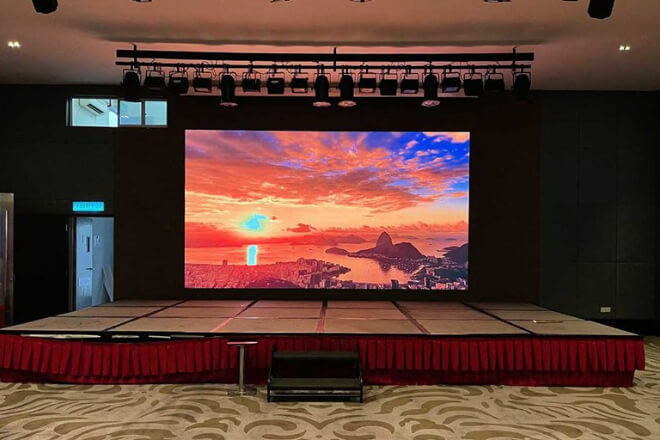
Why do some يعرض الصمام operate stably for many years, while others are plagued by minor problems? Is it due to inherent equipment defects or issues with usage and management?
In actual projects, stable operation is never determined by a single step, but rather by the cumulative effect of selection, installation, power supply, and daily use.
If you only focus on “whether it lights up after installation” while ignoring the subsequent usage environment and maintenance methods, problems are often only a matter of time.
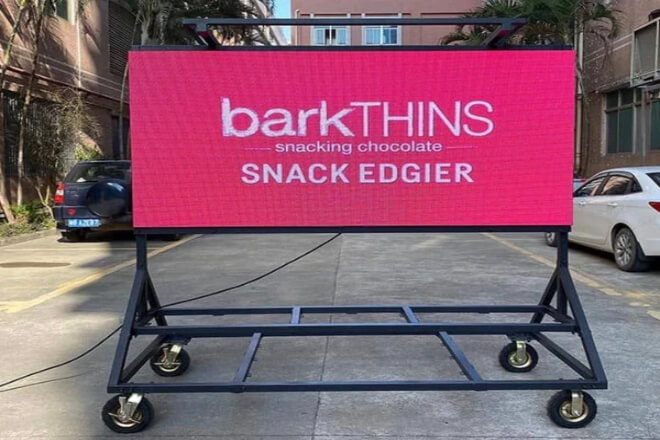
The first step in ensuring the long-term stable operation of an LED display is not “how to maintain it,” but rather “whether the right selection was made.”
Different usage scenarios have completely different requirements for equipment: indoor, outdoor, and high-سطوع environments each correspond to different models and configurations.
If the initial selection is incompatible, subsequent maintenance will only be “passive repair.”
At the same time, matching the مساحة وحدة الصورة to the عرض المسافة is equally crucial—choosing too small increases costs unnecessarily.
Choosing too large may affect the display effect, and this discrepancy will amplify problems over long-term use.
Looking further down, many stability issues actually stem from more fundamental aspects, such as the quality of core components.
If critical components like LED chips, power supplies, and driver ICs lack stability, uneven brightness and frequent malfunctions can easily occur during use, increasing maintenance costs.
Furthermore, the protection level cannot be ignored, especially outdoors or in complex environments. Waterproof and dustproof capabilities directly affect the lifespan of the equipment.
In other words, whether an LED display can operate stably for a long time is largely determined during the “selection phase.”
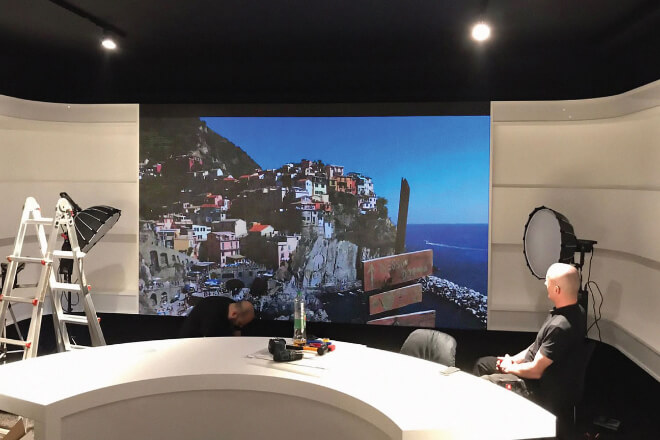
Many problems with LED displays are not “used poorly,” but rather “caused by improper installation.”
The installation phase may seem like a one-time task, but it directly determines the stability of later operation.
For example, whether the power wiring is standardized and safe affects the long-term stable power supply of the entire system.
Whether the structure is robust and reliable also affects the safety of the equipment under long-term operation or changes in the external environment.
At the same time, some easily overlooked details, such as whether sufficient heat dissipation space is provided and whether the signal lines have good anti-interference capabilities, will gradually become apparent later.
Insufficient heat dissipation will keep the equipment at high temperatures for extended periods, naturally increasing the failure rate. Signal interference will also affect image stability.
Many frequent malfunctions can actually be traced back to minor issues during the installation phase.
Instead of constant repairs later, it’s better to standardize the installation process from the beginning, ensuring the LED display operates on a more stable foundation.
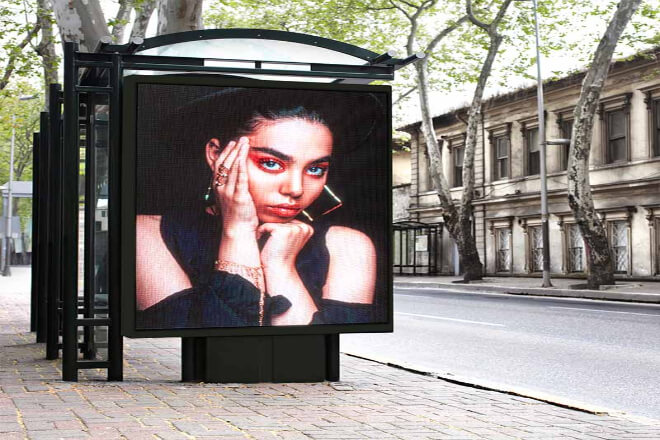
In practical applications, many LED displays do not operate in “ideal environments,” especially in outdoor settings.
High temperatures, rain, dust, and even direct sunlight can all continuously impact equipment stability.
Compared to the specifications themselves, these environmental factors are often more “real” and more likely to amplify problems over long-term operation.
For example, in high-temperature environments, heat dissipation becomes particularly critical.
An insufficient heat dissipation design will cause internal temperatures to rise continuously, directly affecting the lifespan of the LEDs and the power supply system.
Therefore, a reasonable heat dissipation solution (such as ventilation design and pre-designed heat dissipation structures) is not only a guarantee of performance but also an important means of extending the service life.
Meanwhile, in outdoor environments, waterproofing, dustproofing, and moisture resistance are also crucial.
These seemingly “basic” design features actually determine whether the equipment can operate stably in complex environments.
Another easily overlooked issue is direct sunlight. Prolonged exposure to strong light not only generates extra heat but can also accelerate material aging, affecting overall stability.
Therefore, avoiding direct sunlight as much as possible through installation location adjustments or structural design is a simple yet effective optimization method.
From a longer-term perspective, controlling the operating environment is equally important. Whether it’s temperature or humidity, maintaining it within a relatively stable range will result in more reliable equipment operation.
It can be said that in complex environments, the stability of LED displays is not just about “equipment capabilities” but also about “environmental adaptability.”
By taking environmental factors into account, many potential problems can actually be avoided from the outset.
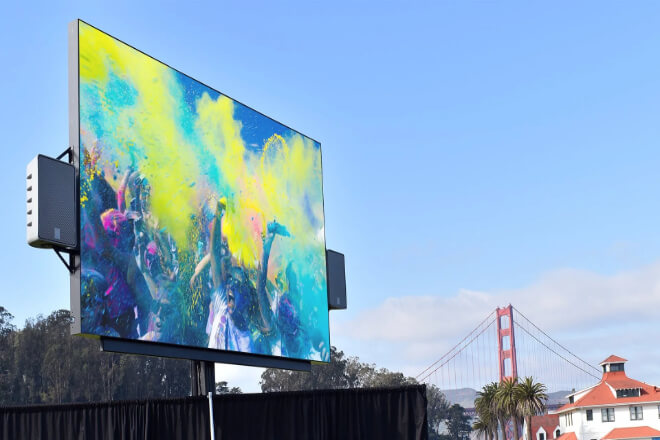
In many LED display projects, people often focus more on the screen itself, but a key factor truly affecting long-term stable operation is actually “electricity.”
Without an unstable power supply, even the best equipment will struggle to operate stably and continuously.
First and foremost is the quality of the مزود الطاقة system itself. If the power supply is unstable or of poor quality, it is prone to failure during long-term operation, affecting the overall screen performance, such as screen flickering, black screen, or even partial damage.
Therefore, choosing a stable and reliable power system essentially reduces the probability of future failures.
Secondly, there are power risks from the external environment, such as lightning strikes or surges in the power grid. While these situations may not occur frequently, once they do, they are often fatal.
By properly configuring lightning and surge protection, the impact of these sudden risks can be significantly reduced.
In scenarios with high stability requirements, such as core commercial areas or important معرض spaces, uninterruptible power supplies (UPS) are also a worthwhile consideration.
They can provide a buffer during sudden power outages, allowing the system time to smoothly transition and avoiding equipment damage or data anomalies caused by momentary power interruptions.
Furthermore, voltage fluctuations are another easily overlooked factor. Long-term unstable voltage will cause continuous wear and tear on the power system and internal components.
Although it may not cause immediate problems, it will shorten the overall lifespan.
Therefore, controlling voltage fluctuations through methods such as voltage stabilization is a crucial step in ensuring long-term operation.
To some extent, the stability of an LED display screen isn’t just about the quality of the screen itself, but also about the stability of the power supply.
By ensuring a solid power supply, many potential problems can be resolved before they even occur.
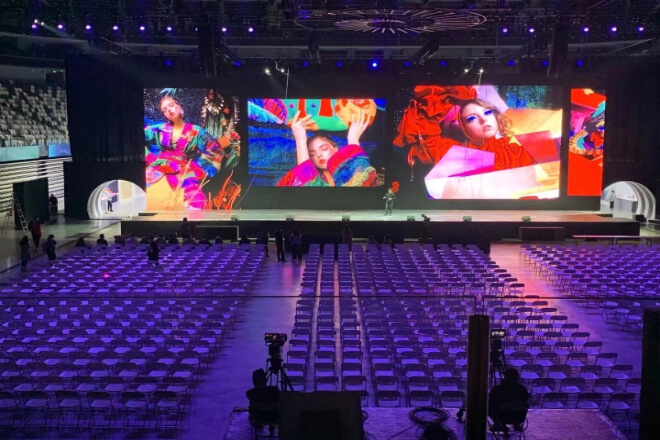
Many LED display screen problems don’t appear suddenly, but are the result of accumulated small changes over time.
The value of routine maintenance lies in identifying and addressing these “problems before they become problems.”
For example, regularly checking سطوع, color difference, and dead pixels can promptly detect changes in image consistency.
Keeping the screen clean, while seemingly simple, effectively prevents dust accumulation from affecting heat dissipation, thus reducing the hidden risks caused by overheating.
Furthermore, timely replacement and calibration of abnormal modules can prevent small-scale problems from escalating and affecting the overall display effect.
Another often overlooked but extremely useful habit is maintaining complete operation and maintenance records.
When problems occurred, what adjustments were made, and how the equipment status changed—this information becomes invaluable for later troubleshooting and optimization.
Many complex problems can actually be solved more easily by keeping records.
Instead of dealing with problems as they arise, it’s better to nip them in the bud during routine maintenance.
In the long run, stable operation is often not achieved through one-time investments but through continuous and meticulous maintenance.
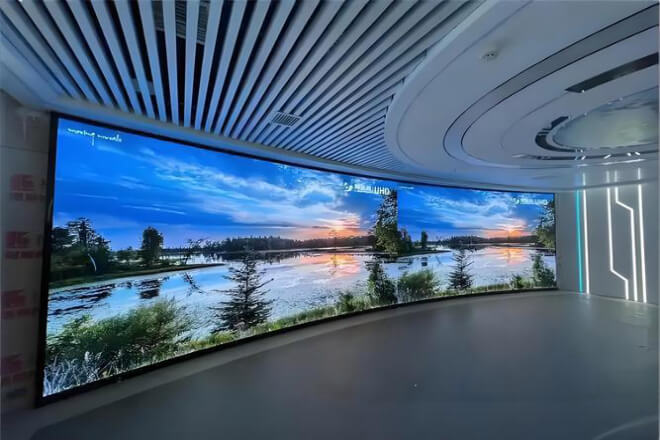
Many LED display screen failures are not actually caused by “wearing them out,” but by “using them incorrectly.”
Some seemingly insignificant operating habits can have a significant impact on the equipment over time.
For example, correct power-on and power-off procedures can effectively reduce the impact on the power supply system.
While setting the brightness too high for extended periods will keep the equipment running under high load, accelerating component aging.
Similarly, playing static images for extended periods can easily lead to “burn-in” or ghosting problems, which are not uncommon in actual use, but can often be avoided with simple adjustments.
Furthermore, the operating habits of personnel are also crucial. Without standardized procedures, different people operating in different ways can easily increase the burden on the equipment unintentionally.
Conversely, basic training and simple operating procedures can significantly reduce this type of human-induced damage. Many losses are not unavoidable, but rather “manageable.”
Standardizing usage not only makes LED displays more stable but also extends their lifespan.
 English
  Español
  简体中文
简体中文  Français
  日本語
日本語  한국어
한국어  العربية