
مقدمة
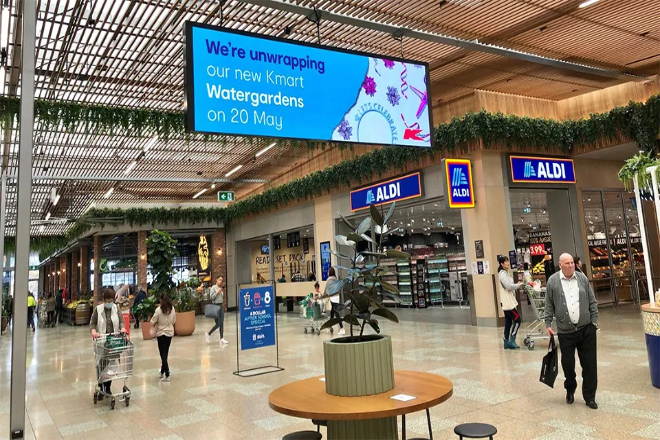
في مراكز التسوق, شاشات ال اي دي are no longer just devices for “playing advertisements.” What else can they do, and why do some malls use them to increase advertising revenue? What makes the difference between the same screen?
The key lies in how it’s used—whether it’s simply playing advertisements or effectively utilising it by combining it with foot traffic, content, and the overall environment.
When a screen is truly integrated into the space and operations, it brings more than just exposure; it brings tangible commercial value.
جدول المحتويات
Method 1: Attracting Customer Attention and Increasing Exposure
In shopping malls, no matter how many advertising spaces there are, if no one looks at them, their value is low. One of the biggest advantages of LED screens is their eye-catching nature.
Compared to traditional posters or light boxes, LED screens display dynamic images with more vibrant colours, easily standing out from a sea of information and attracting attention.
For example, in high-traffic areas like mall entrances, main passageways, or stairwells, an LED screen playing dynamic images is hard to miss.
Upon entering a مركز تجاري, people are likely to be immediately drawn to the content on the screens; as they walk along the main aisles, changing visuals are even more likely to grab their attention.
Compared to static advertisements, this “moving content” increases the probability of an ad being seen.
Once attention is captured, there’s an opportunity to guide customers to a particular brand or event.
For example, new product launches, limited-time promotions, and event previews can be conveyed more intuitively through dynamic displays, generating customer interest and even prompting them to change their route and check it out.
From a business perspective, this higher exposure translates to higher advertising value. Advertisers prefer locations that are “visible and easily remembered,” and LED screens perfectly provide this effect.
Simply put, LED screens don’t just “display ads,” they help shopping malls focus attention. The more people see and remember the ad, the higher its value naturally becomes.
Method 2: Flexible Ad Content Placement to Increase Ad Frequency
If traditional advertising spaces are more like “one location serving only one brand,” then LED screens are more like a continuously operating advertising platform.
A single screen can display multiple advertisements in a rotating format, serving more brands within the same timeframe and naturally increasing the “utilisation” of the advertising space.
This advantage is even more pronounced in high-traffic areas like food courts, cinema entrances, and main passageways where customers spend more time.
For example, as customers queue to order food, wait for a movie to start, or stroll along main passageways, the content on the screen continuously rotates.
If they miss an advertisement, they can watch the next one; if one rotation isn’t enough, they might see a second or third, thus amplifying the exposure.
Furthermore, the content on LED screens can be “dynamically adjusted” according to the time of day.
During lunch and dinner hours, more food and beverage advertisements can be featured; in the evenings or on weekends, the focus can shift to entertainment, events, or cinema-related content.
Even during holidays or mall promotions, relevant advertisements can be added temporarily to make the content more relevant to the current context. This is not only more targeted but also more likely to capture customer interest.
From a mall operations perspective, this flexible placement method effectively “activates” advertising resources.
A single screen no longer corresponds to a single advertiser; instead, it can be sold by time, time slot, and frequency, essentially turning the same advertising space into a reusable resource.
Simply put, LED screens make advertising spaces “flowing,” not “fixed.” Content can be continuously updated, brands can be displayed in rotation, and exposure increases accordingly.
This not only improves advertising effectiveness but also brings more advertising revenue potential to shopping malls.
Method 3: Create Themed Events to Enhance Advertising Value
Compared to regular advertising, advertising in themed and atmospheric settings is more memorable and more likely to drive conversions. LED screens can amplify this “atmosphere.”
For example, during important holidays like anniversaries, Singles’ Day (November 11th), and Christmas, shopping malls can use LED screens to create an overall themed visual experience.
Transforming screens that were originally just for displaying advertisements into part of the festive decorations.
The visuals can maintain a unified style; for example, Christmas could use snowflakes, gifts, and warm lighting.
While Singles’ Day could feature promotional countdowns and discount information, instantly giving the entire space a “themed” feel.
In this atmosphere, merchant advertisements no longer exist in isolation but are integrated into the overall visual experience.
For example, brand advertisements can appear alongside themed visuals, appearing seamless and naturally noticeable.
When customers browse a mall, they don’t just “see an advertisement,” but are enveloped by the entire environment. This immersive experience is more likely to influence their purchasing decisions.
Another very practical point is the potential for increased advertising prices. During these holiday events, overall foot traffic increases significantly, and the value of advertising space itself rises.
Malls can adjust the pricing of advertising resources based on the event cycle, especially for well-located LED screens with a strong atmosphere, which are more likely to attract brands to increase their bids.
For example, in a Christmas event area, an LED screen filled with festive visuals is not just an information display tool, but also the “visual centre” of the entire event.
Brands that can appear in such a setting will experience higher exposure quality and greater memorability, naturally leading to a greater willingness to invest a higher budget.
In short, LED screens are not just for “displaying advertisements,” but can participate in “creating an atmosphere.”
When advertising is combined with themed events, the value of screens is amplified, evolving from simple display to an integral part of the overall experience. This is key to the premium pricing of advertising.
Method 4: Creating a Digital Image for Shopping Malls to Attract Brand Partnerships
Many brands now consider more than just “exposure” when choosing advertising space; they also consider the overall feel of the mall.
If a shopping mall looks traditional and ordinary, brands may have little interest.
However, if the space is technologically advanced and has a strong “digital atmosphere,” the situation is different. LED screens play a crucial role in enhancing the brand image.
For example, around flagship stores, in central plazas, or large event areas, LED screens are not just used to display advertisements but are integrated into the overall space design.
Large-area dynamic visuals and a unified visual style make the entire mall look more modern and technologically advanced.
This feeling is very attractive to brands because it signifies a “more upscale display environment.”
For example, if a brand’s flagship store is next to a high-quality LED screen displaying brand-related content,
and even echoes the store’s visual style, this synergy makes the entire brand image more complete and easier for consumers to remember.
For brands, this feeling of being “enveloped in a digital environment” is something traditional lightboxes struggle to achieve.
From a shopping mall’s perspective, this is essentially “upgrading its own brand image.”
When a shopping mall appears more digital and technologically advanced, it becomes easier to attract high-end brands or increase their advertising spending.
This isn’t just about advertising space; it’s about enhancing overall commercial value.
Furthermore, during large-scale events such as brand launches, المعارض, or pop-up events, LED screens can serve as part of the main visual منصة, adding depth and dimension to the event.
Brands are more willing to choose such venues because they offer better display effects and a stronger promotional atmosphere.
Simply put, LED screens are not just “displaying advertisements,” but also helping shopping malls “shape their image.”
When the entire space becomes more modern and technologically advanced, it naturally attracts high-quality brand collaborations, further amplifying the value of advertising resources.
5. الخاتمة
The value of LED screens lies not only in “looking more modern,” but also in their ability to make advertising more attractive, flexible, and easier to convert.
When shopping malls use screens correctly, they cease to be just a cost and become a tool that can continuously generate revenue.
In this way, advertisements are not only seen but also more easily remembered, potentially even driving consumption.
أخيراً، يرجى الحصول على اتصال معنا for more information about LED displays.
 English
  Español
  简体中文
简体中文  Français
  日本語
日本語  한국어
한국어  العربية