
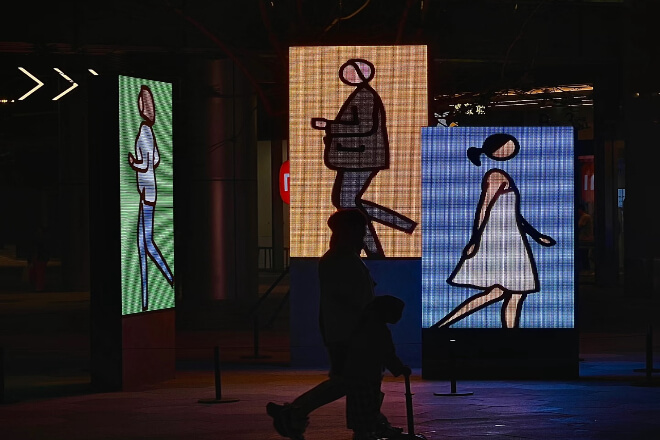
In open spaces like parks, LED displays can make public art displays more vivid, flexible, and engaging.
They can not only play digital paintings, dynamic images, and interactive artworks, but also present AI-generated art creations or digital sculpture animations.
Allowing art to transcend the boundaries of galleries and museums and directly communicate “face-to-face” with the audience.
Imagine walking along a tree-lined path, looking up to see dynamically changing light and shadow and animations on a screen—wouldn’t you suddenly stop and take a second look?
If combined with projection or holographic technology, LED screens can also present a highly three-dimensional and richly layered visual effect, making the audience feel as if they have stepped into a mini art world.
Even more interestingly, parks can regularly invite different artists to upload digital works, changing the content periodically to keep the exhibitions fresh and engaging, while also providing a platform for more creators.
In short, LED displays not only make public art displays more flexible and interactive, but also transform every stroll in the park into an unexpected art experience.
Art is no longer out of reach, but within reach, allowing people to experience creativity and surprise in their daily lives, captivated by light and art while walking.
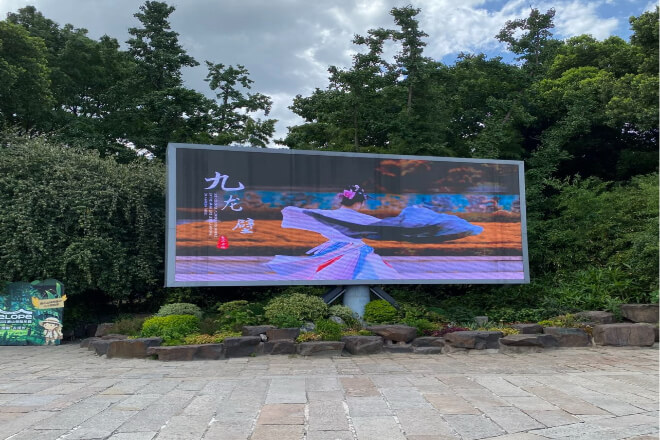
LED displays not only showcase artworks but also allow viewers to truly participate.
For example, the screen can display viewers’ comments, paintings, or voting results in real time, instantly amplifying everyone’s creativity in the park’s public spaces.
Seeing their own work or comments appear on the large screen makes people want to take a second look, even taking photos and sharing them. This interactivity instantly bridges the gap between viewers and art.
Furthermore, LED screens can be combined with AR interactive experiences, allowing viewers to participate in creation via mobile phones or touchscreens, “drawing” or adding dynamic effects on the screen itself.
Parks can also regularly host community engagement events, such as “Visitor Artwork Showcase Week.”
Displaying visitor creations on LED screens so everyone can see each other’s work, enhancing a sense of belonging and enjoyment.
In short, LED displays transform public art from simply “viewing” to “playing” and “participating.”
Viewers are not merely passersby, but part of the artistic creation process.
Each interaction brings a small surprise, making the art experience in the park more interesting and engaging, allowing everyone to become a part of public art.
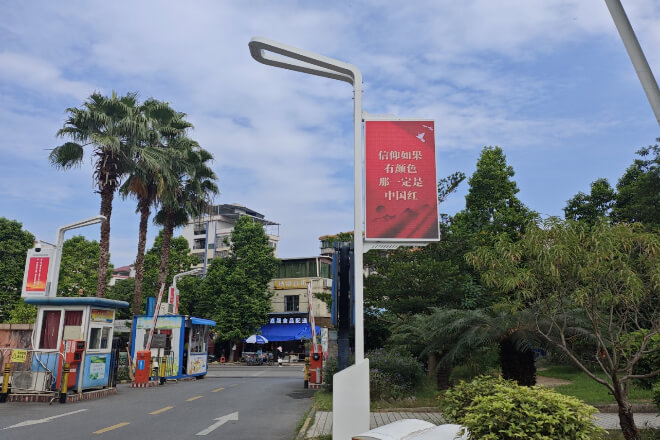
LED displays not only allow people to “see art,” but also to “play with art and learn about art,” making every visit to the park more enjoyable and rewarding.
The screens can display artist introductions, creative processes, and the stories behind the works, allowing viewers to understand the inspiration, techniques.
And artistic concepts behind each piece, offering a deeper understanding than simply appreciating the visuals.
Even casual passersby can easily absorb art knowledge, occasionally exclaiming in surprise, “Wow, there are so many little secrets behind this!”
Beyond the artworks themselves, LED screens can incorporate themed educational content, such as displays of environmental protection, history, festival culture.
Or folk customs, transforming the park into a fun and engaging “mini-classroom.”
Combined with interactive quizzes, games, or on-site teaching activities, the LED screens can instantly display audience responses, voting results.
Or interactive feedback, increasing enjoyment and providing participants with a sense of accomplishment and engagement.
Viewers are not just spectators; they become truly part of the activity, experiencing it more deeply and enjoyably.
Even better, the park can regularly update its content, integrating it with school and community education projects or arts festivals.
Allowing students and residents to participate and enhancing public art literacy and cultural awareness.
LED screens bring art closer to everyday life, making every stroll a mini-cultural adventure.
Whether appreciating, interacting, or learning, visitors gain surprises, fun, and knowledge, making the art experience in the park more three-dimensional, richer.
And more anticipated, making everyone look forward to the next “light and shadow adventure.”
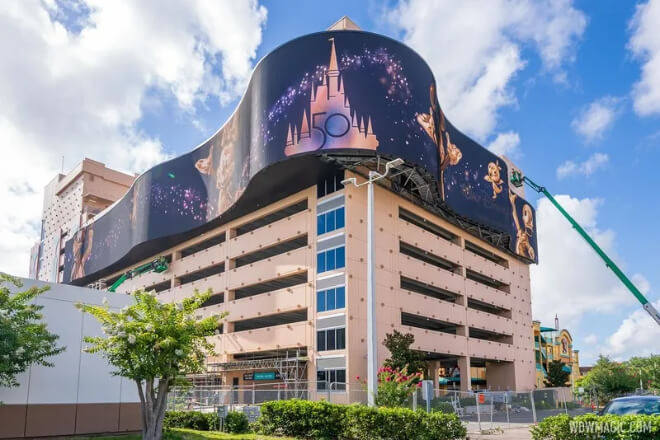
LED displays not only showcase artworks but also make managing public art in parks easier and more engaging.
Through a backend management system, staff can update screen content at any time, without disassembling any physical artworks, to add the latest digital art or interactive creations.
Temporary exhibitions, special events, or unexpected themed displays can be presented quickly, like “pressing a button,” keeping the art in the park always fresh and full of surprises.
Screens can also be customized with seasonal or holiday themes, such as animated flower displays in spring, red-themed works for National Day.
Or fun monster interactions for Halloween, making walking into the park feel like entering a constantly changing art world.
Combined with remote operation capabilities, city management departments can also manage LED screens in multiple parks in a unified manner.
Achieving synchronized content updates. Even staff in the office can easily control each screen.
Even more interestingly, the backend system can use data analysis to understand audience preferences: which works attract more attention and interaction.
And then adjust the playback order and display format to make each update more appealing.
LED screens enrich and flexibly enhance art displays, making the visitor experience more engaging.
Each glance at the screen is like opening a door to a new world, brimming with surprise and interactivity, adding a touch of “discovery” to every walk in the park.
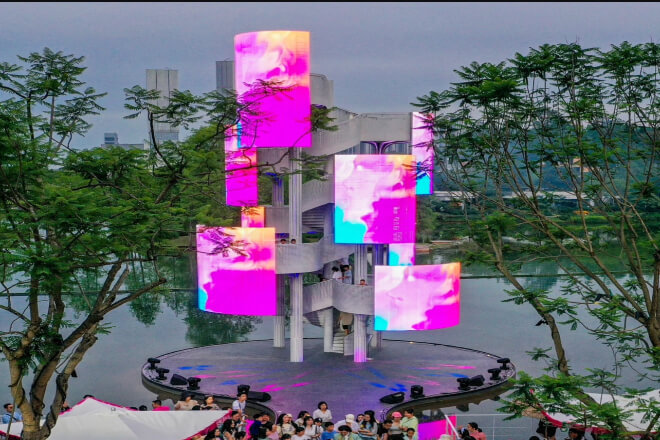
LED screens not only showcase artwork but also transform parks into “mini-stages” for the community, allowing residents to truly participate.
LED screens can display community art projects, school artwork, or volunteer creations, amplifying everyone’s efforts and instantly giving them a sense of accomplishment and participation.
Imagine your little illustration or short essay suddenly appearing on a park screen; passing neighbors will be drawn in, perhaps even taking photos and sharing them online.
This interactivity makes the community warmer and more vibrant.
Furthermore, LED screens can promote public welfare activities and environmental protection concepts, cleverly combining art and social responsibility.
For example, playing fun animations about garbage sorting, stories about green travel, or highlights of community environmental activities can bring a smile while easily imparting knowledge.
Combining online and offline interactive activities, residents can participate in voting, interactive creation.
And even see their own works or messages appear in real-time on the large screen via their mobile phones.
This “I’m on screen too” experience is very interesting and can also bring people closer to the community.
Even better, these LED screens transform parks from mere recreational spaces into cultural landmarks of the city.
Each screen seems to say, “Here, there are not only green trees and flowers, but also everyone’s creativity and stories!”
It cleverly blends community vitality, resident participation, and the city’s artistic atmosphere, making public spaces more interesting, more vibrant, and easier for people to remember the city’s warmth and personality.
 English
  Español
  简体中文
简体中文  Français
  日本語
日本語  한국어
한국어  العربية